Surgical Data Science: Fiona Kolbinger starts new research group in Dresden
The Surgical Data Science group will develop AI-based methods for surgery and interventional medicine, focusing on clinically relevant use cases.
Read more
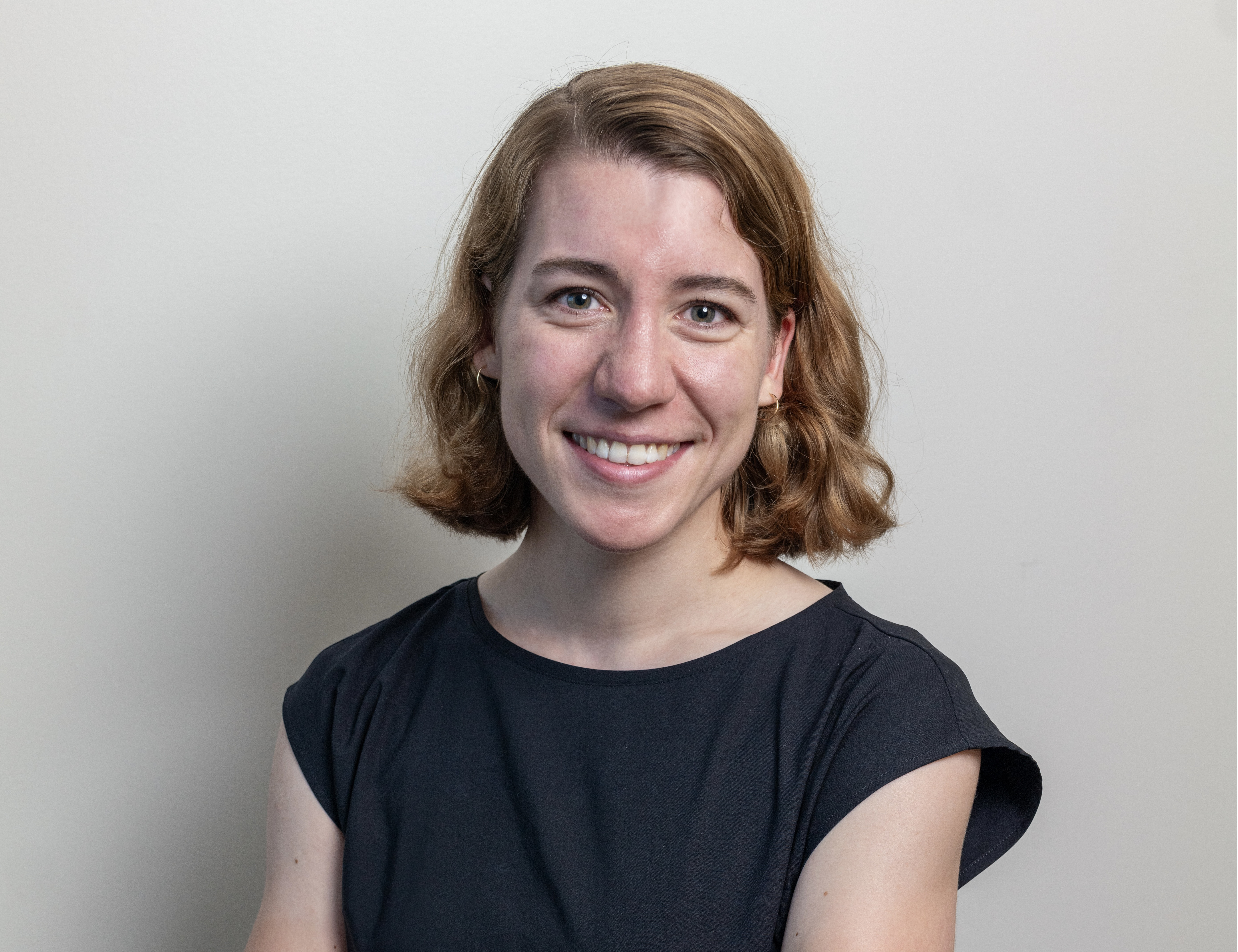
In recognition of her work on AI-supported cancer surgery, Clinician Scientist Dr. Fiona Kolbinger, MD, PhD, receives the 2026 Jung Career Advancement Award today in Hamburg, endowed with 210,000 euros. The Jung Foundation for Science and Research presents a total of three medical awards, endowed with more than 500,000 euros. Ahead of the award ceremony, Fiona Kolbinger delivered the scientific lecture “Surgery 2.0: Artificial Intelligence-Based Personalized Decision-Making in Oncologic Surgery” at the Foundation’s symposium, which will be publicly available following the event.
Fiona Kolbinger’s research lies at the intersection of surgery and data science. Her work focuses on how surgical procedures for abdominal cancers can be planned more precisely and how individual risks can be better assessed. To this end, she uses AI models to gain a deeper understanding of cause-and-effect relationships. Since 2023, she has led an interdisciplinary research group in AI-supported cancer surgery at Purdue University (USA).
“Our goal is to make surgical procedures safer and to avoid complications. If we can better assess the risks for individual patients before surgery, we can plan therapies more precisely and improve care,” explains Fiona Kolbinger, who also conducts research at the Department of Visceral, Thoracic and Vascular Surgery at Dresden University Hospital and at the Faculty of Medicine of TU Dresden.
Fiona Kolbinger plans to use the award money to further expand her research. One focus is the treatment of rectal cancer. Despite established therapies, complications remain common in this area and can significantly impair patients’ quality of life. Together with her team, she analyzes large, carefully curated datasets to identify factors that lead to complications and develop strategies to prevent such adverse outcomes in the future. In earlier work, she demonstrated that AI-based models can provide preoperative indications of whether a tumor is operable and whether complications are likely. Such information could increasingly inform clinical decision-making and enable more personalized treatment strategies.
“The field is developing rapidly. It is often necessary to respond quickly – sometimes faster than traditional research funding allows,” says Kolbinger. “The support from the Jung Foundation gives me considerable flexibility to pursue innovative projects for which little or no preliminary data exist and for which specific funding programs are not yet available.” Fiona Kolbinger combines clinical practice with data-driven research. For years, her scientific work has been closely linked to interdisciplinary research institutions of Dresden’s University Medicine, including collaborations with the Else Kröner Fresenius Center for Digital Health (EKFZ) at TU Dresden and the National Center for Tumor Diseases (NCT/UCC) Dresden.
In addition to Fiona Kolbinger, the Jung Foundation honored pharmacologist Prof. Rohini Kuner (Heidelberg University) with the Jung Prize for Medicine for her work in pain research. The Jung Gold Medal for Medicine was awarded to molecular biologist Prof. Taroh Kinoshita (University of Osaka) for his research on the biosynthesis of GPI anchors, which play an important role in rare diseases.
The Jung Foundation for Science and Research, based in Hamburg, Germany, is an independent organization that annually provides up to three awards in recognition of fundamental and advanced research projects of significant clinical relevance. Since 1967, the foundation has invested about 17 million euros in prize money and other funding of projects building a bridge between medical research and the bedside. Under the motto of ‘Excellence in human medicine’, the foundation makes a significant contribution to the development of new treatment methods. The Jung Prize for Medicine, the Jung Gold Medal for Medicine and the Jung Career Advancement Award for Medical Research are among the most highly endowed medical prizes in Europe. With the additional awarding of fellowships and German scholarships, the foundation provides a total funding of up to 650,000 euros annually. Further information at www.jung-stiftung.de.
Surgical Data Science: Fiona Kolbinger starts new research group in Dresden
What does AI actually learn from tissue images?
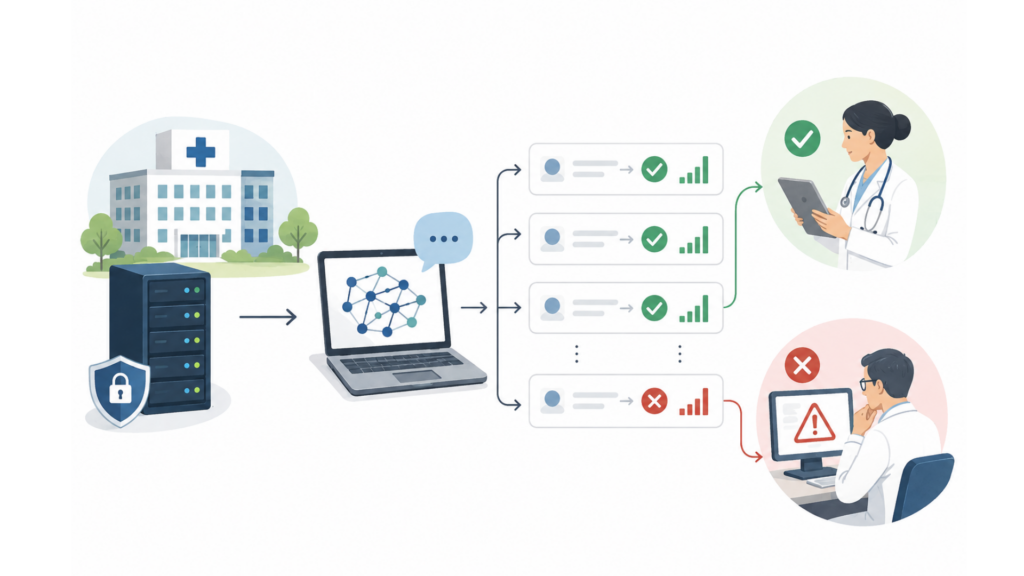
On-premise medical AI agent for reliable clinical decision support