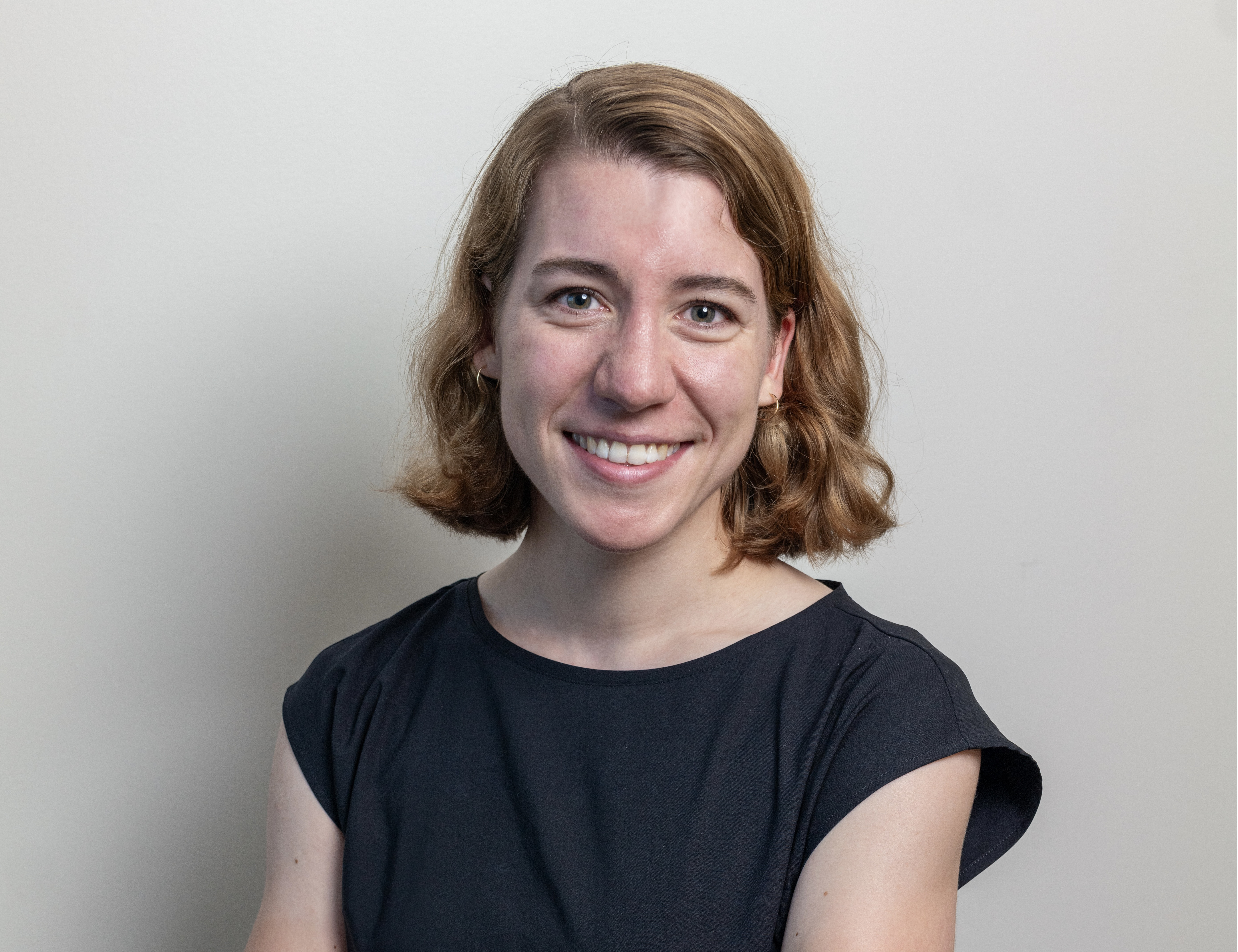
Surgical Data Science: Fiona Kolbinger starts new research group in Dresden
The Surgical Data Science group will develop AI-based methods for surgery and interventional medicine, focusing on clinically relevant use cases.
Read more
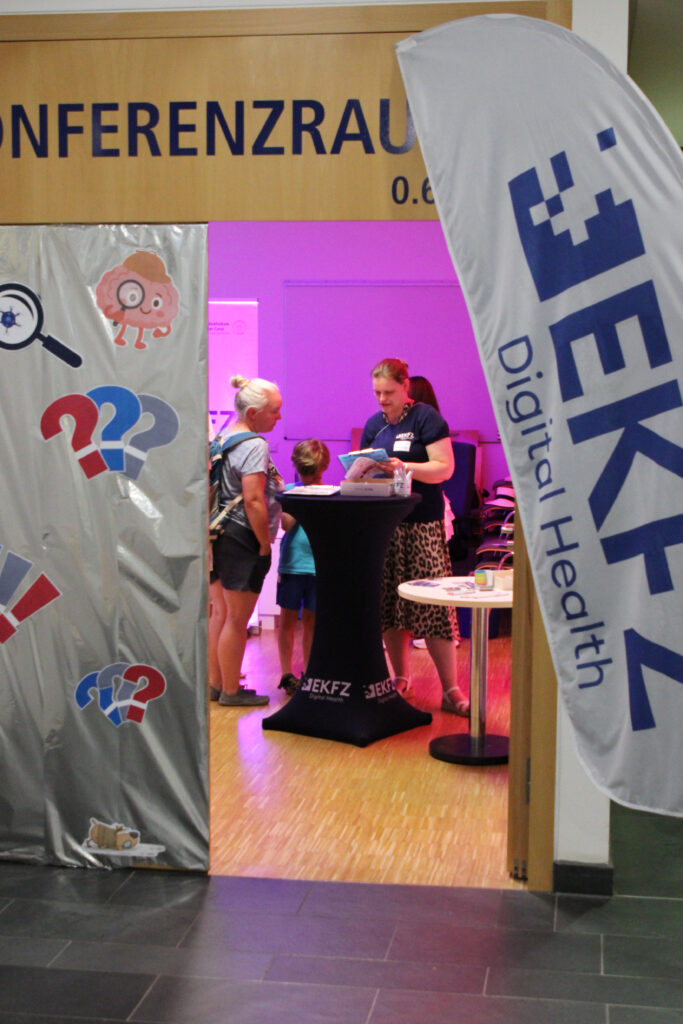
Even record summer temperatures could not keep curious minds away from Dresden Science Night 2026. Across the city, thousands of science enthusiasts experienced research and innovation first hand, including at two interactive stations organized by the EKFZ for Digital Health: one at Kulturpalast Dresden featuring the bioelectronics research of Professor Ivan Minev and his team and one at University Hospital Dresden on digital health innovations and medical technology.
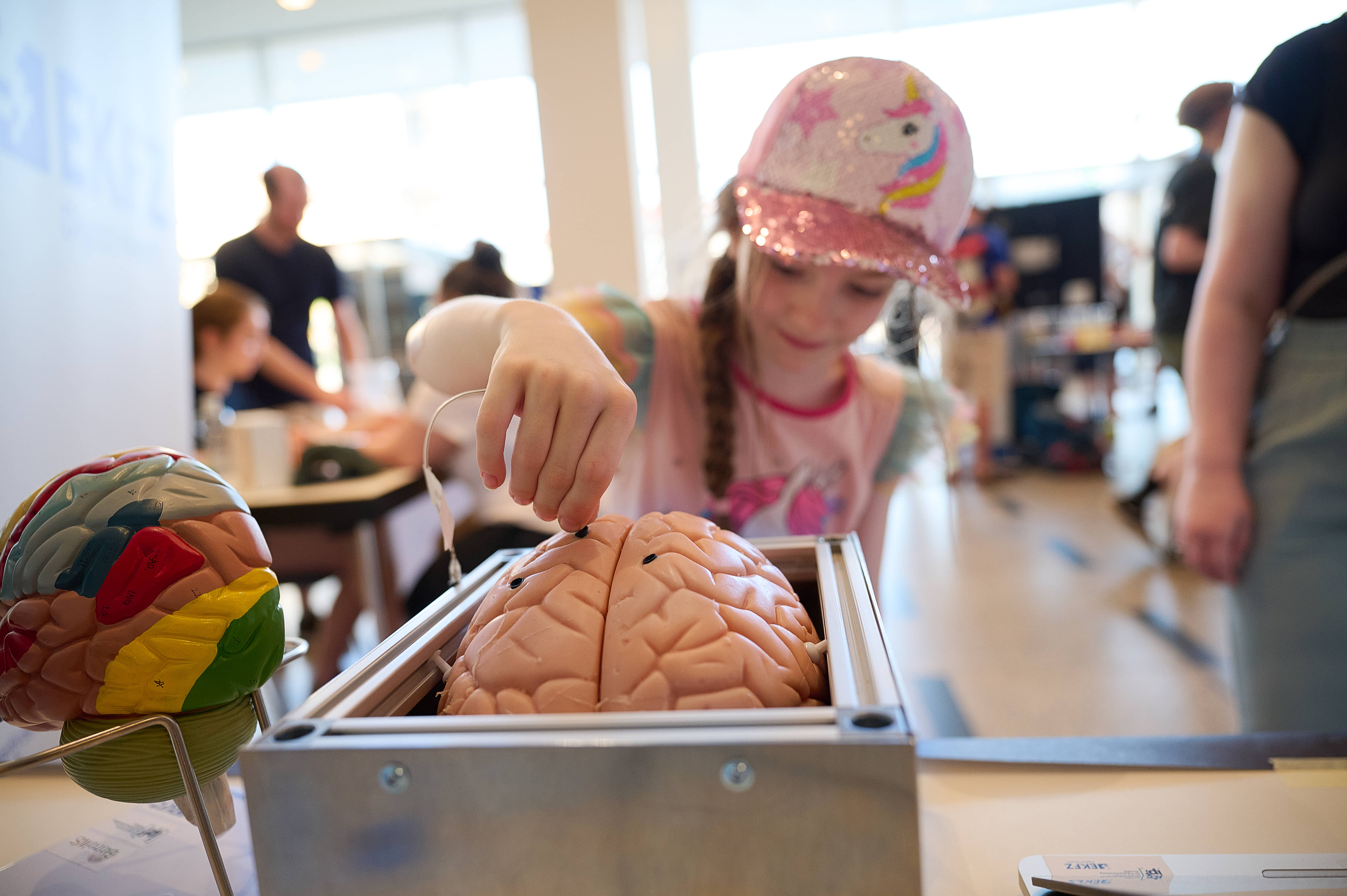
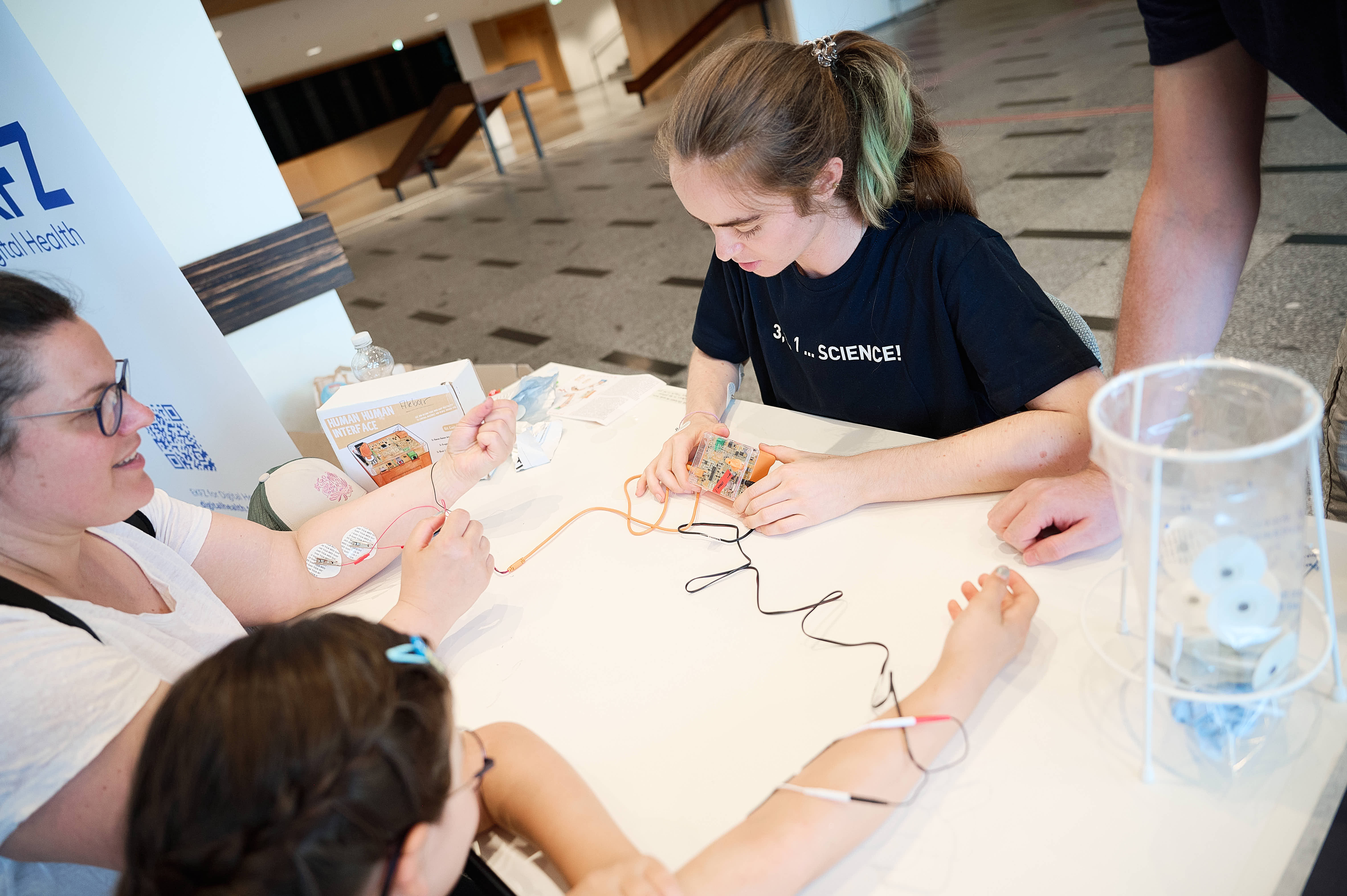
In the city center, at Kulturpalast Dresden, participants explored bioelectronic implants and learned how these can support the treatment of disorders of the nervous system, including Parkinson’s disease and epilepsy. At a hands-on brain model, they tested their dexterity by trying to correctly position an electrode for brain stimulation. The station also explained why current rigid implants have limitations and how future technologies may help overcome them. The team led by Professor Ivan Minev at EKFZ for Digital Health and Leibniz Institute of Polymer Research Dresden is developing novel water-based materials (hydrogels), which are soft, flexible and electrically conductive. These materials mimic the properties of natural tissue more closely than conventional implant materials. The aim is to improve implant function, integration into the body and long-term durability. Participants also experienced bioelectronic control firsthand: They learned how signals from the human body can be captured and transmitted and used these signals to move another person’s arm. The team guided participants through the activities and answered questions about their research.
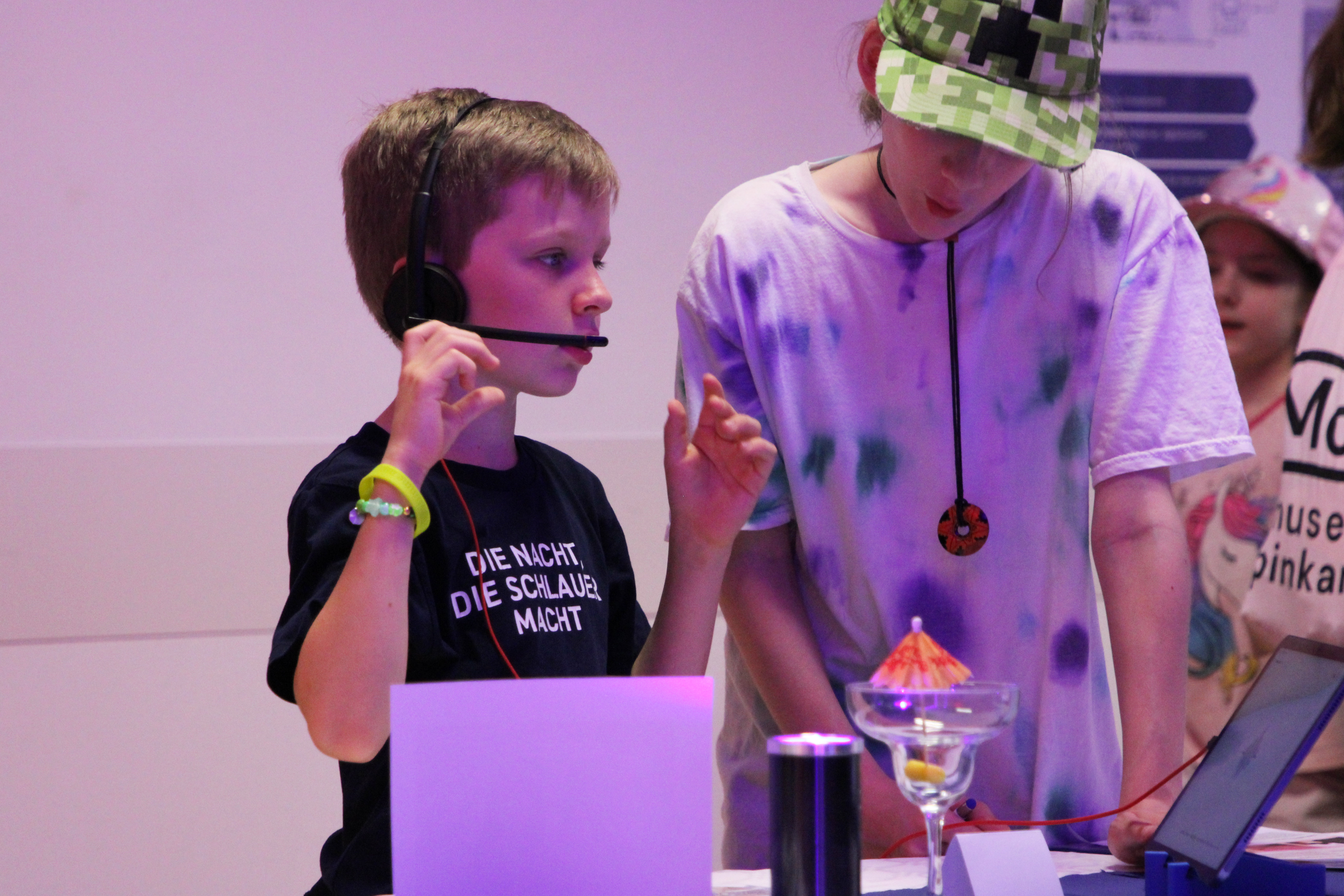
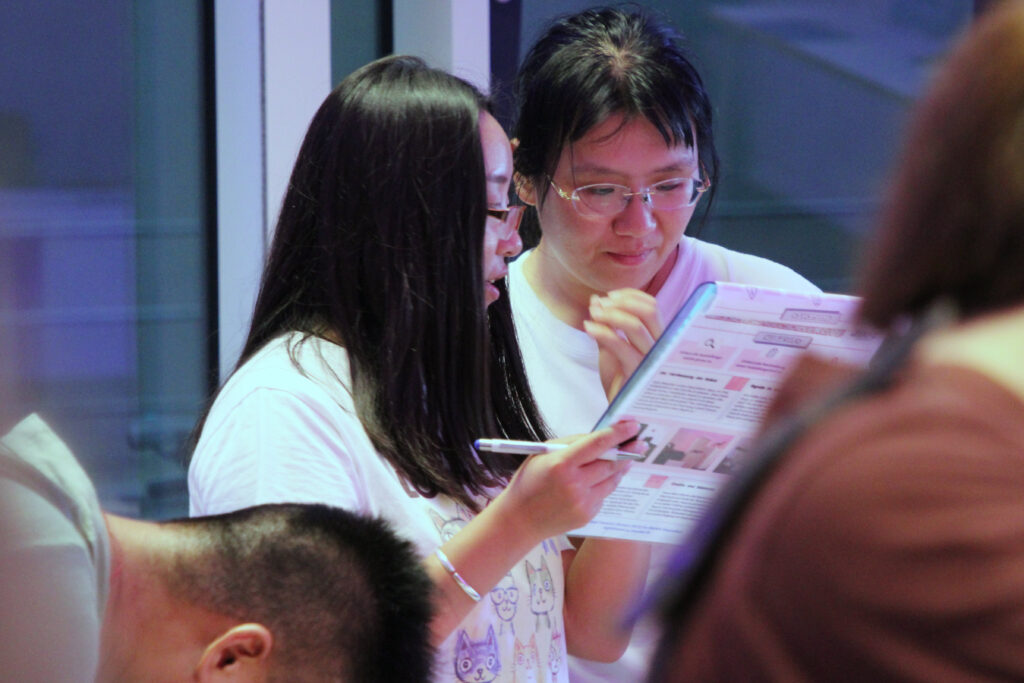
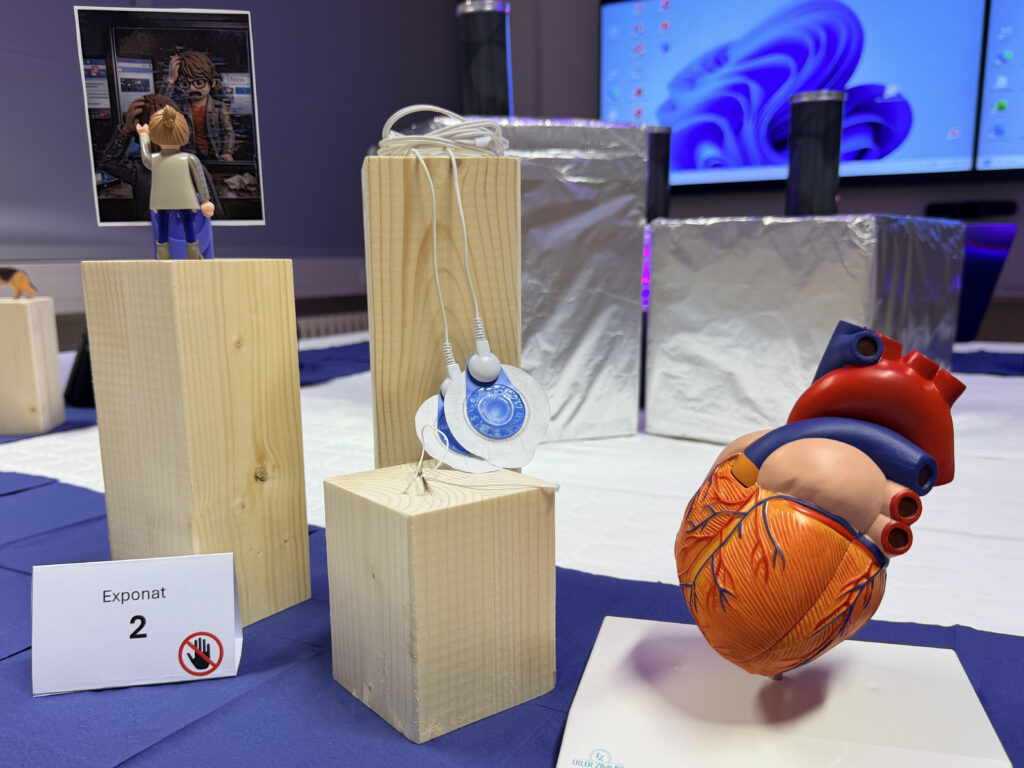
At University Hospital Dresden, visitors became science detectives. Through an interactive exhibition, they explored current EKFZ research projects in digital health and medical technologies. They encountered exhibits ranging from smart and connected medical devices to digital diagnostic tools and artificial intelligence in medicine. A quiz invited them to match the exhibits with the corresponding title and explanation. Not every clue led directly to the right answer, so careful observation and sound reasoning were required. The exhibits also illustrated broader questions: How can AI and digital tools support healthcare? Why is it important that physicians help to develop and improve the medical devices they use in clinical practice? And how can research at the interface of medicine, technology and digital innovation contribute to better healthcare in the future? The interactive format encouraged visitors of different ages to ask questions, discuss ideas and experience research in a playful way.
Despite the exceptional summer heat, we were delighted to welcome so many curious visitors to our stations. We thank everyone who stopped by, as well as all participating researchers and team members, for helping make the EKFZ for Digital Health’s research accessible and engaging during Dresden Science Night 2026.
Surgical Data Science: Fiona Kolbinger starts new research group in Dresden
What does AI actually learn from tissue images?
On-premise medical AI agent for reliable clinical decision support