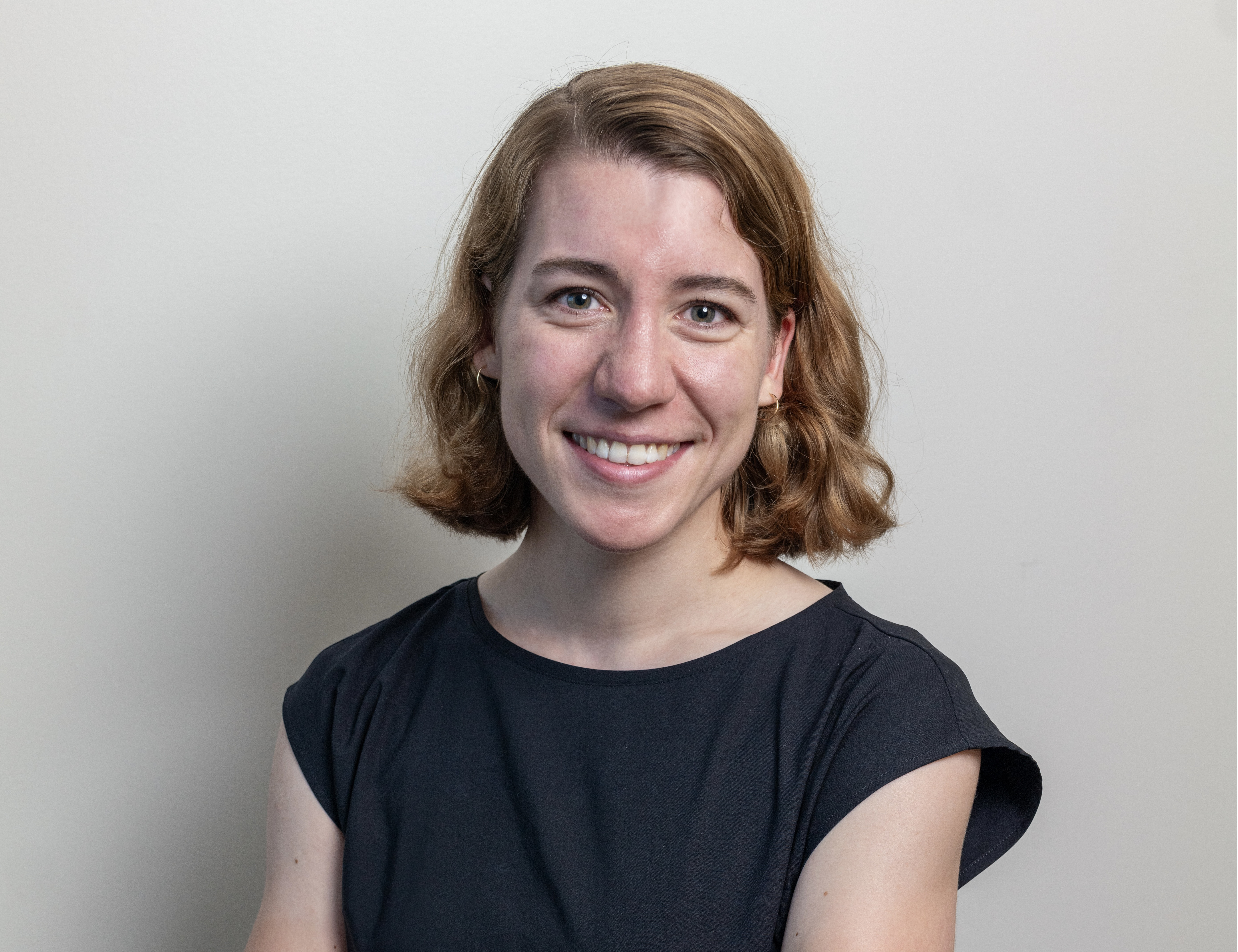
Surgical Data Science: Fiona Kolbinger starts new research group in Dresden
The Surgical Data Science group will develop AI-based methods for surgery and interventional medicine, focusing on clinically relevant use cases.
Read more
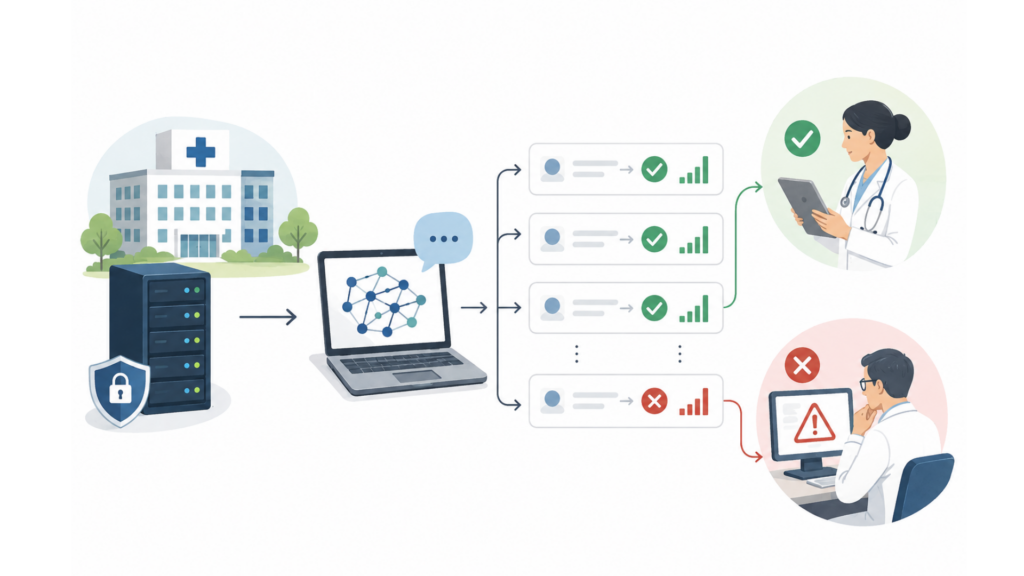
Researchers at the Else Kröner Fresenius Center (EKFZ) for Digital Health at TUD Dresden University of Technology and University Hospital Dresden present the next stage of medical AI in a new study published in Nature. The team led by Prof. Jakob N. Kather developed MIRA, an AI agent that autonomously evaluated medical information, ordered tests, and prepared diagnostic and treatment decisions within electronic health records in a simulated hospital information system. In retrospective simulations using real patient cases, the system achieved higher diagnostic accuracy than the physician comparison groups while also making guideline-concordant and safe treatment decisions.
Physician and first author of the published study
Our AI agent was able to carry out clinical workflow steps autonomously within the test environment. MIRA identified missing information, ordered tests, interpreted findings in line with clinical guidelines, and prepared treatment decisions. AI tools should support medical professionals, creating more time for patient care, while meeting the highest standards of safety, transparency, and reliability. With MIRA, we were able to demonstrate that this is possible.

Clinical practice is complex. Physicians must take patient histories, collect laboratory values, order and interpret imaging and microbiology results, consider possible diagnoses, review medications, and plan next steps in treatment. However, most existing AI applications are not integrated into clinical workflows and are designed only for narrowly defined tasks. The team led by Prof. Kather developed MIRA (Medical Intelligence for Reasoning and Action), an autonomous medical AI agent operating in a protected test environment within electronic health records. In the studied cases, MIRA performed at the level of physicians and, in some areas, outperformed the physician comparison group in diagnostic accuracy.
Any system intended for future use in everyday clinical practice must be absolutely reliable and be fully understood. The research team precisely defined the tasks the agent would perform and the tools and information available to it. For the retrospective study, the researchers used more than 500 real patient cases and recreated them in a simulated emergency department. MIRA interacted with virtual patients whose responses were based on documented medical histories from real patient records. This allowed MIRA to take patient histories, ask targeted questions, and incorporate missing information into the clinical decision-making process. Both MIRA and the physician comparison group worked through these cases using a controlled clinical toolkit containing eleven instruments and over 85,000 possible actions, including laboratory tests, microbiology tests, and imaging tests, medication prescriptions, procedures, and admission decisions. Part of the clinical evaluation of MIRA was carried out by physicians at Heidelberg University Hospital, including physicians in the Department of Medical Oncology, the Department of General, Visceral and Transplant Surgery, and the National Center for Tumor Diseases (NCT) Heidelberg.
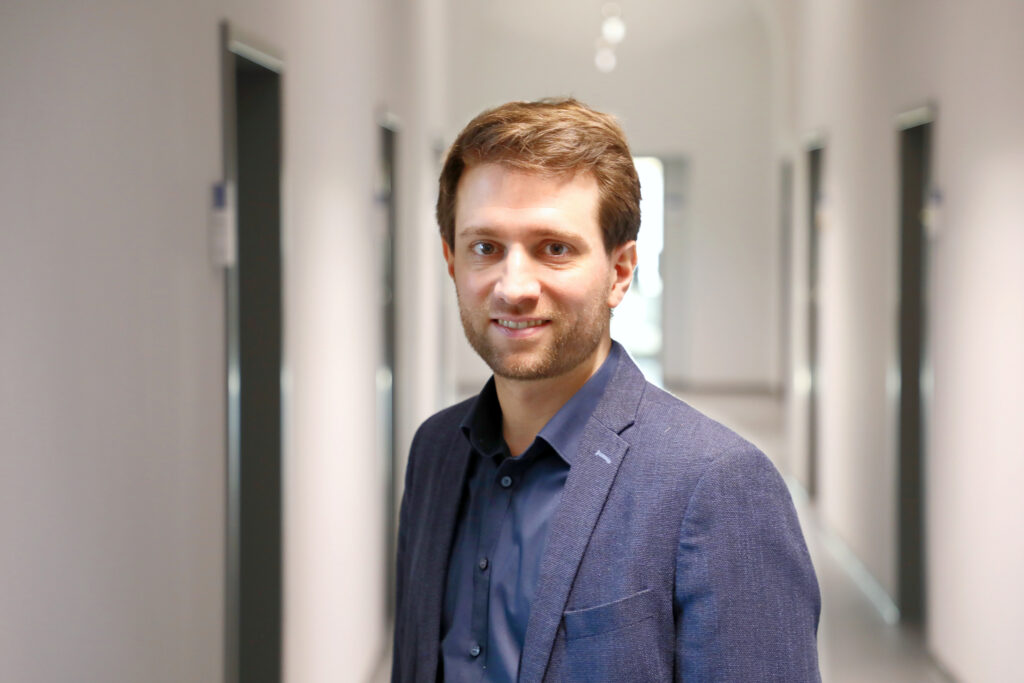
“We are getting a preview of how AI could transform medicine. I see AI agents as being similar to the autopilot system in an airplane. These systems can support and relieve medical professionals by taking over routine tasks, but ultimate responsibility will always remain with the physicians.
“The study results illustrate the importance of closely connecting medicine, computer science, and clinical research to develop trustworthy AI systems. The study shows how digital innovations can help support clinical processes. Dresden’s exceptional environment for academic medicine enables us to consider safety, transparency, regulation, and responsibility from the very beginning,” says Prof. Esther Troost, Dean of the Faculty of Medicine at TUD.
“These results demonstrate the potential that AI agents have for medicine. MIRA’s ability to achieve high diagnostic accuracy in real patient cases and prepare guideline-concordant treatment decisions illustrates the importance of this technology for the future of medicine. The central question for further development is how to safely, transparently, and beneficially integrate such innovations into clinical practice,” says Prof. Uwe Platzbecker, CEO of University Hospital Dresden.
Surgical Data Science: Fiona Kolbinger starts new research group in Dresden
What does AI actually learn from tissue images?
On-premise medical AI agent for reliable clinical decision support