
March 27, 2026
Clinicum Digitale 2026
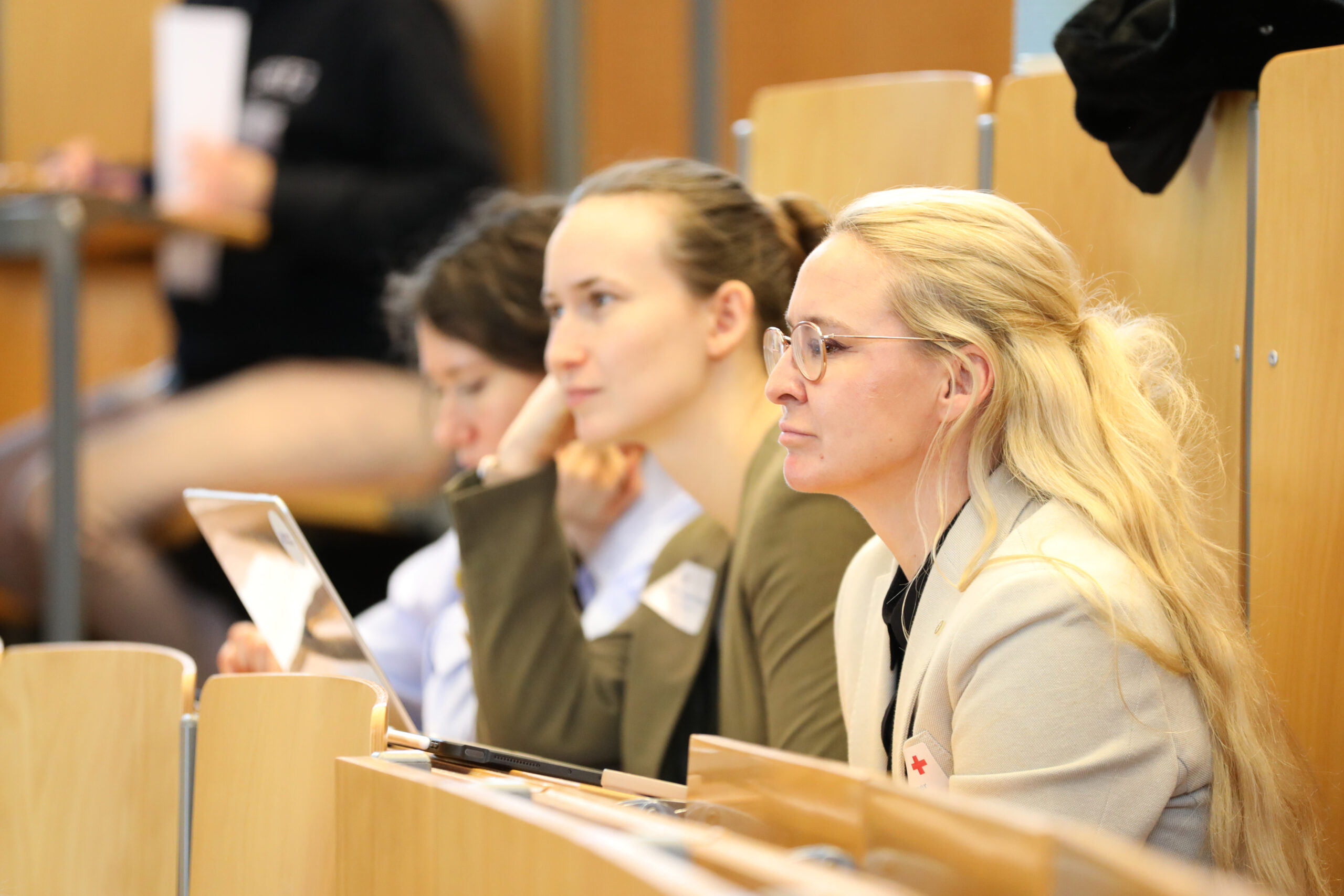
Our annual Spring School Clinicum Digitale offers a practice-oriented teaching format that brings together students from medicine, engineering, and computer science. Designed as an intensive spring school, the program provides an entry point into interdisciplinary research and innovation in digital health. A modular curriculum combines foundational knowledge with hands-on applications, ranging from AI workshops and medical technology prototyping to regulatory and translational aspects. Many participants continue their engagement beyond the program, joining the EKFZ research groups as student assistants or developing ideas for theses and doctoral projects. In this environment, talent grows where science meets innovation.
Practice-Oriented Modules
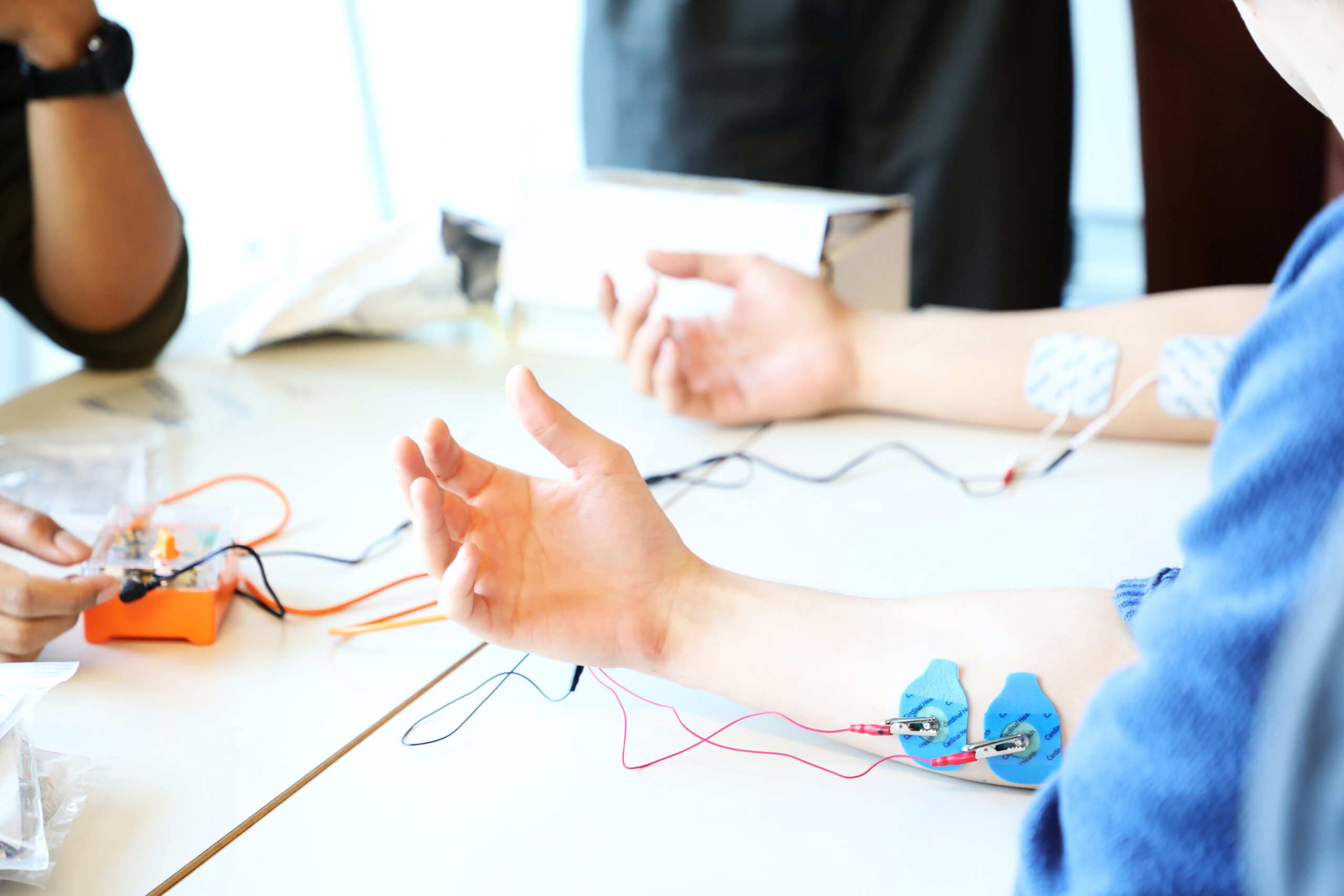
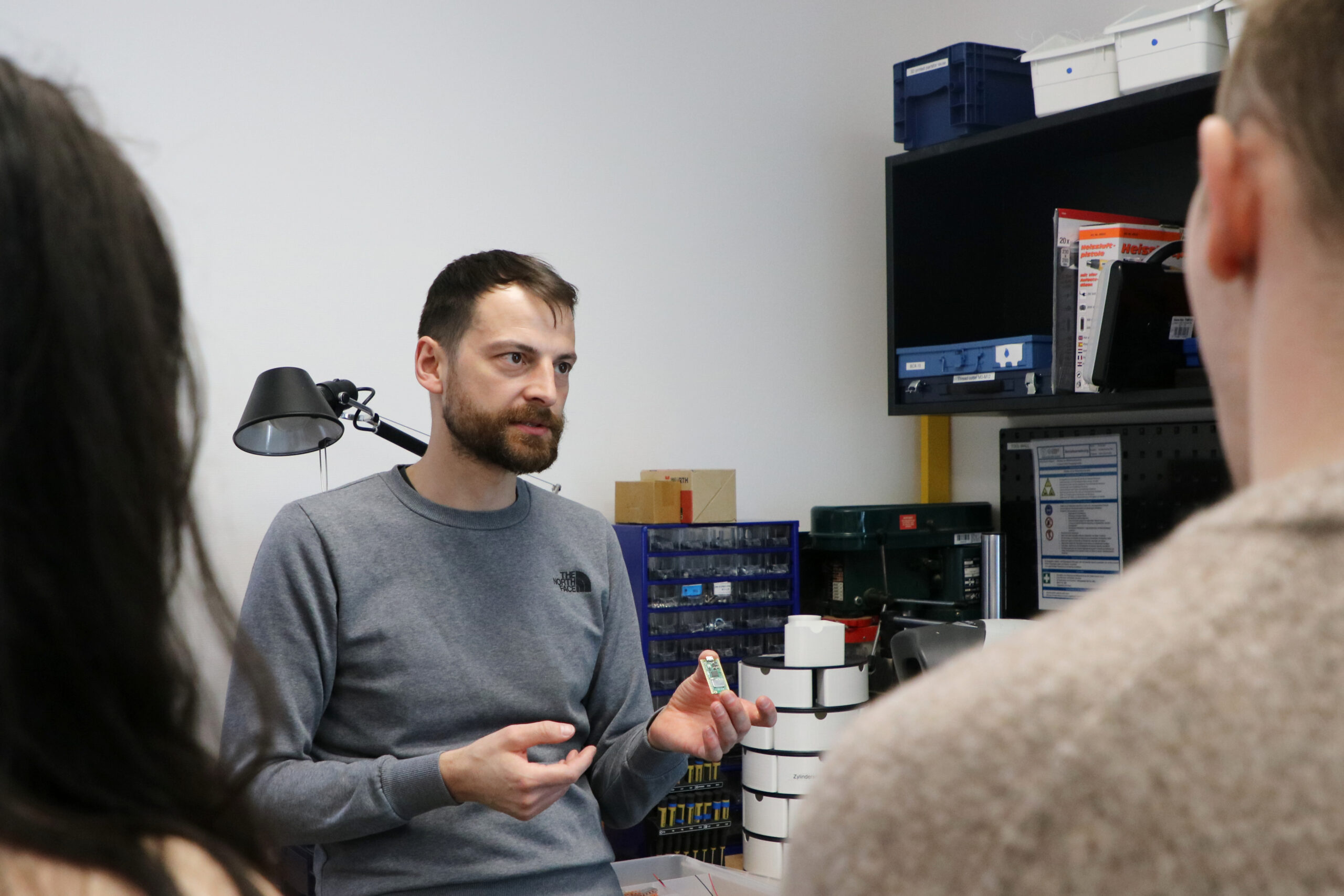
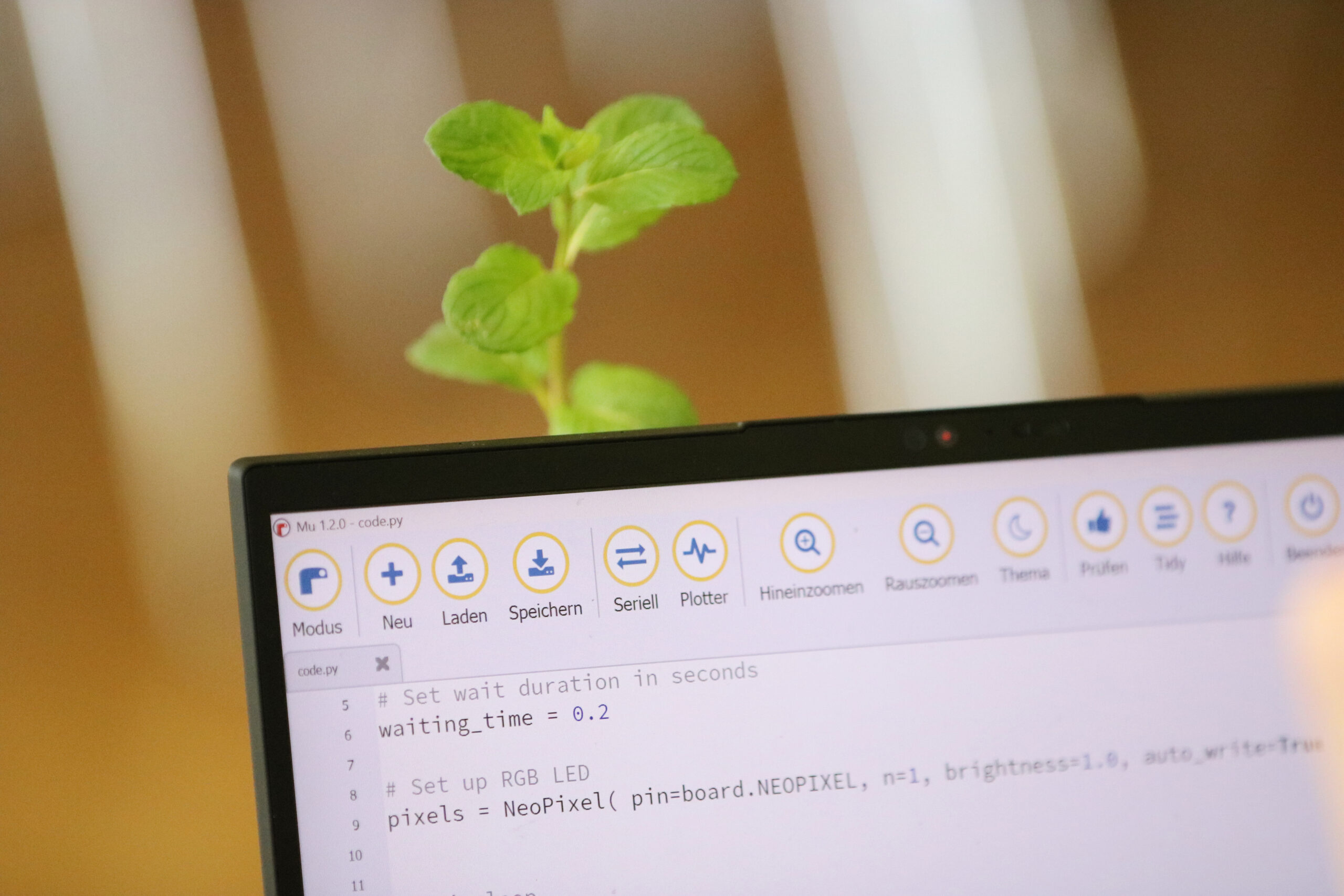
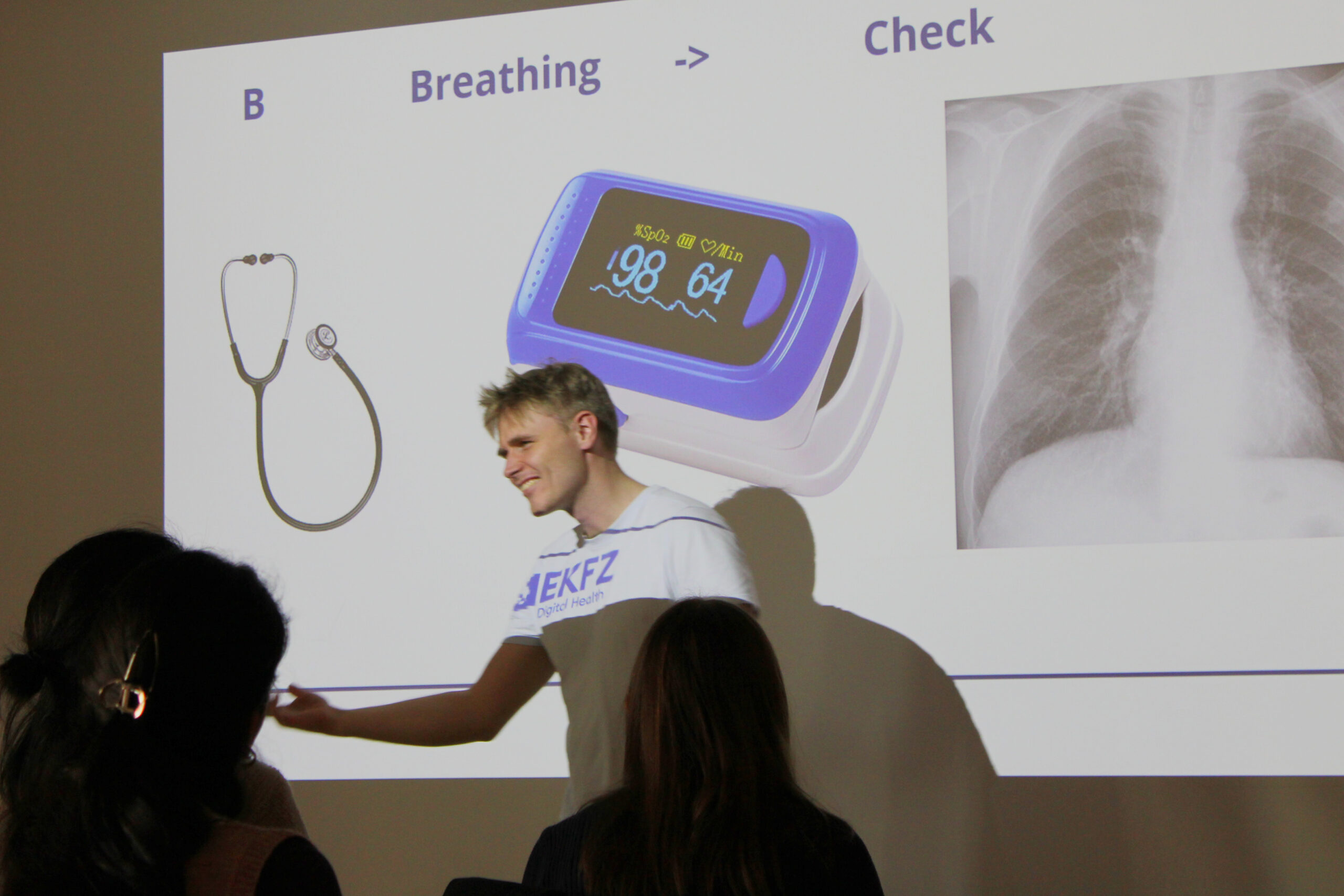
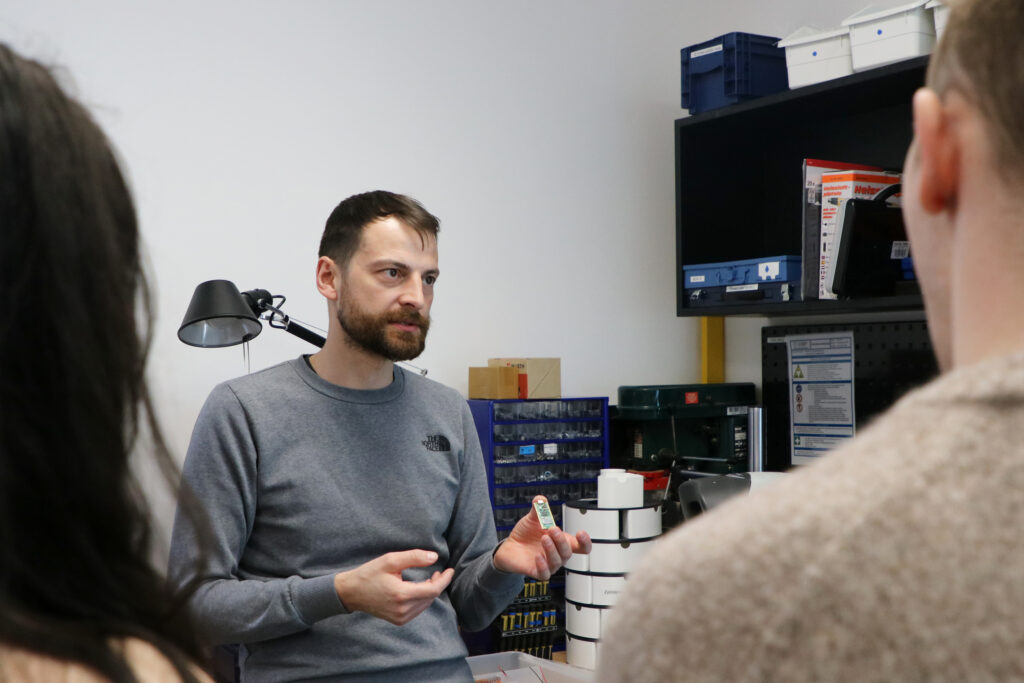
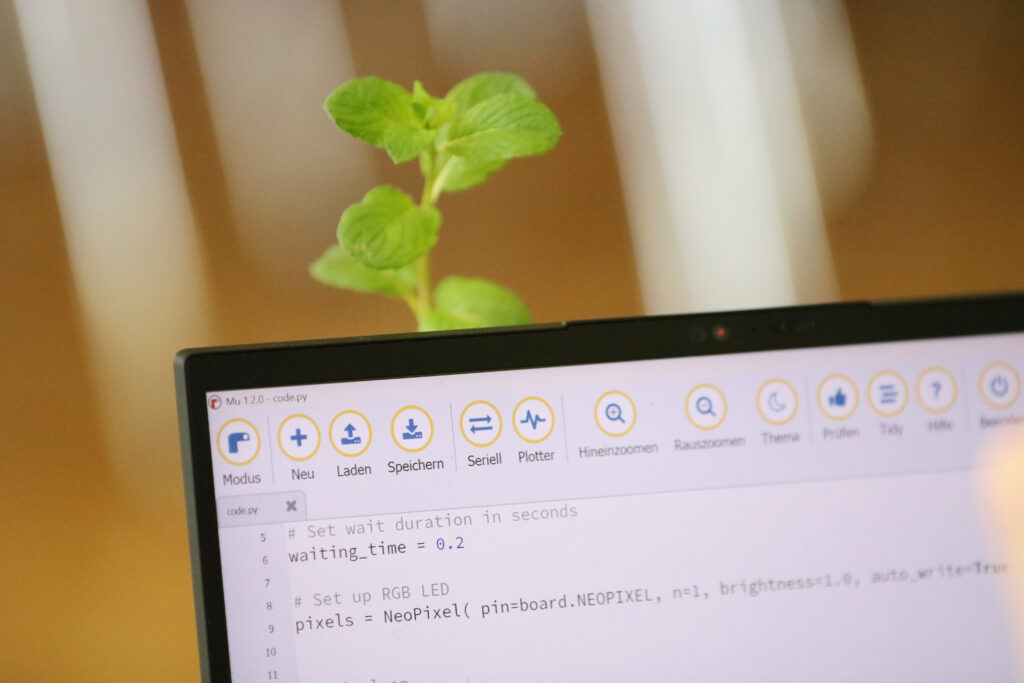
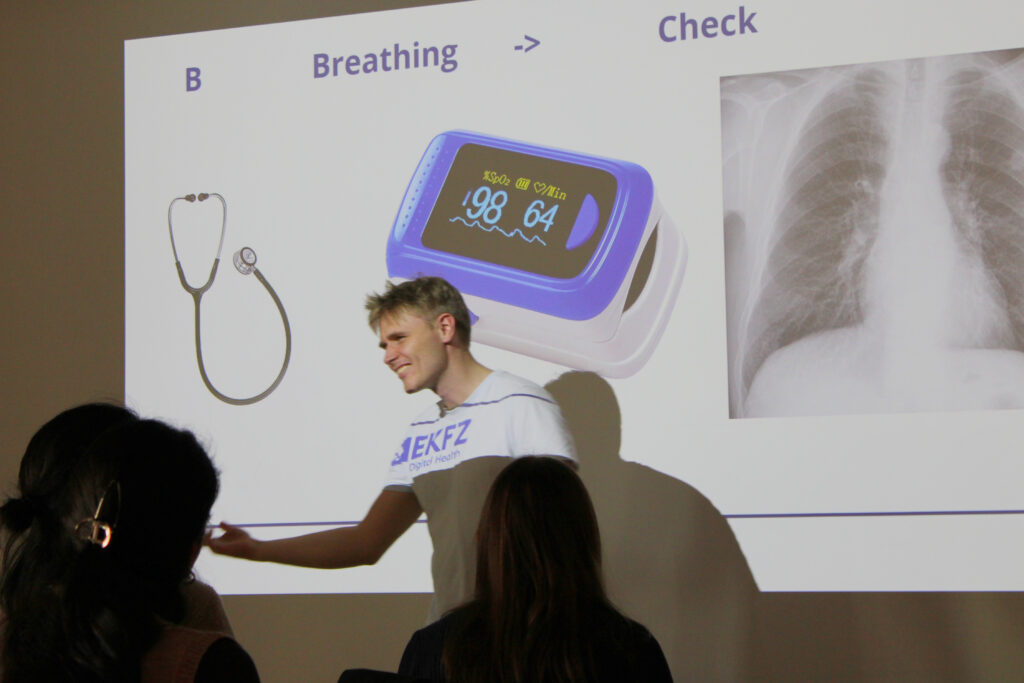
A core strength of the Clinicum Digitale lies in its established practical modules. Formats such as „Almost doctor“ provide basic clinical insights, while hands-on workshops like Bob the Builder and WiFi-Mint focus on applied prototyping. The Clinical AI Seminar introduces participants to programming fundamentals. These modules ensure that theoretical knowledge is linked to practical sessions and real-world challenges in clinical research, enabling students to actively explore the intersection of technology and healthcare.
Project X: Think. Build. Present.
The newly introduced programm „Project X“ is a group-based format. In interdisciplinary teams, students work on current challenges in digital medicine, guided by EKFZ-affiliated mentors from academia, industry, clinical practice, and start-ups. The mentors contribute their own project ideas and collaborate directly with emerging talents. The range of topics reflects the breadth of digital health innovation, including AI-supported clinical scheduling, generative AI for voice analysis, oncology data interfaces, portable diagnostics with automated data analysis, quantitative imaging for cancer surgery, and next-generation brain–machine interfaces. Ethical and societal dimensions, such as mental health and AI safety, are also addressed. Networking opportunities are further strengthened through the dedicated project day MedTech Connections, where institutions and EKFZ-projects present their work in order to find future student assistants or summer project members.
MES – Medical Exhibition Seminar
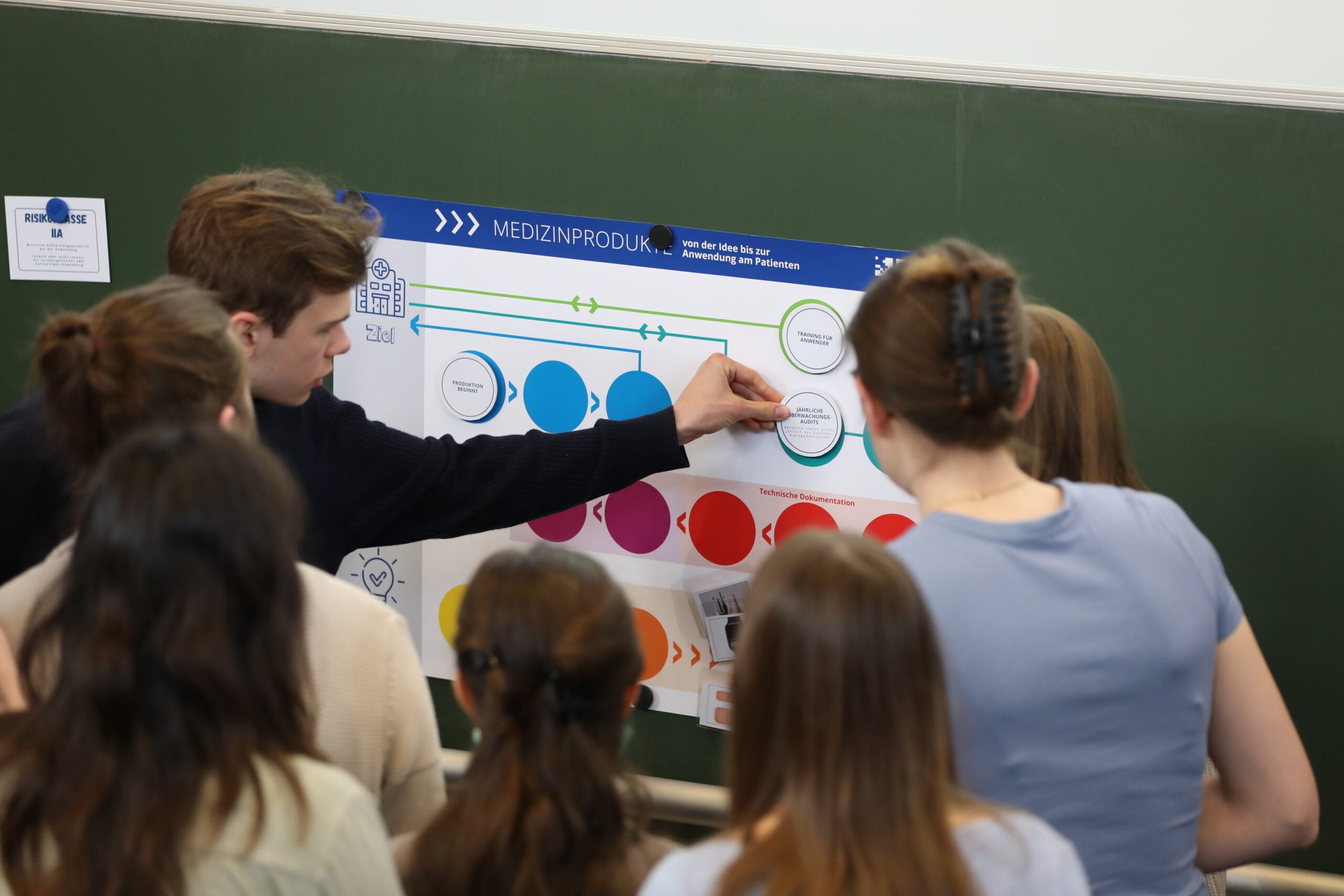
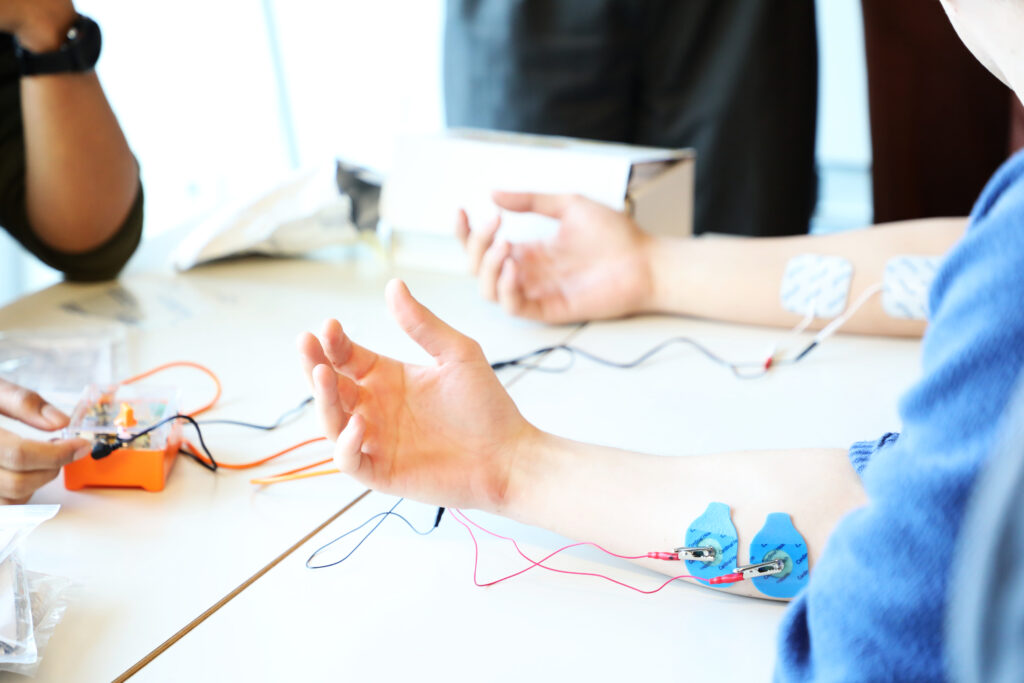
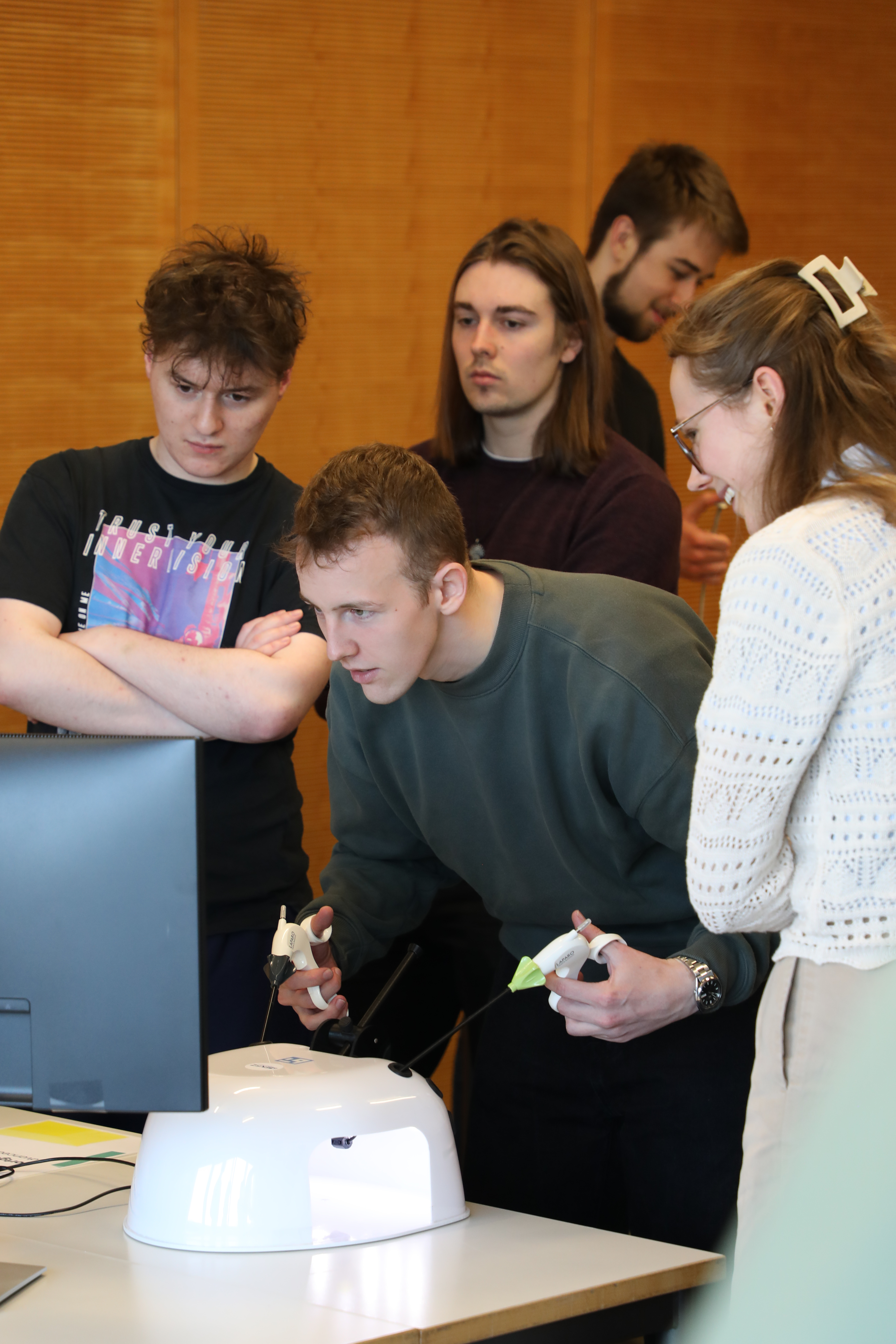
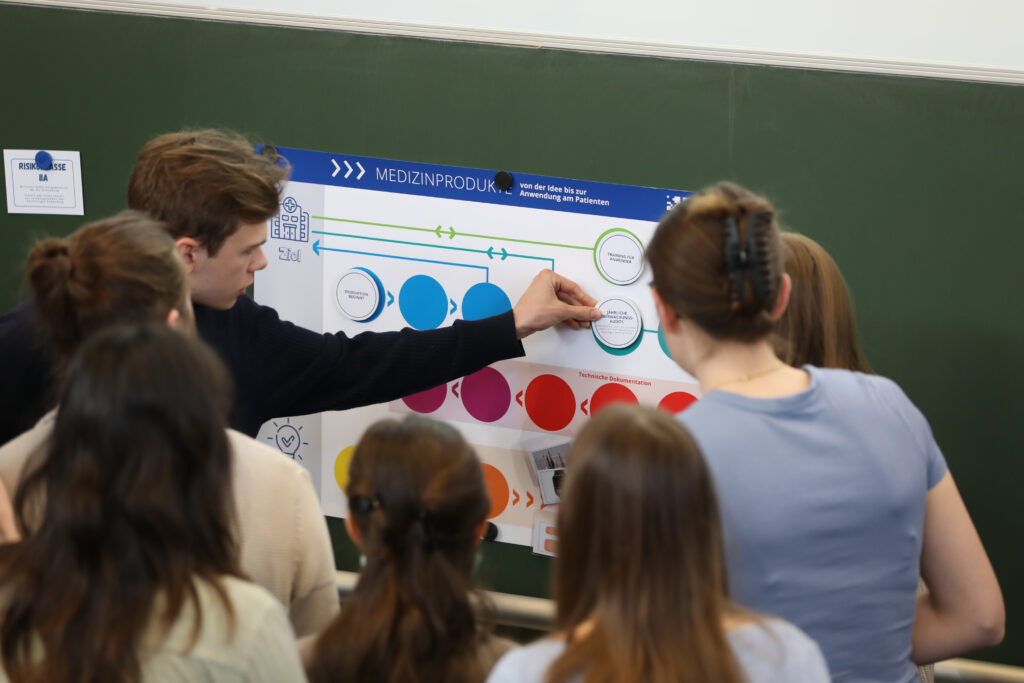
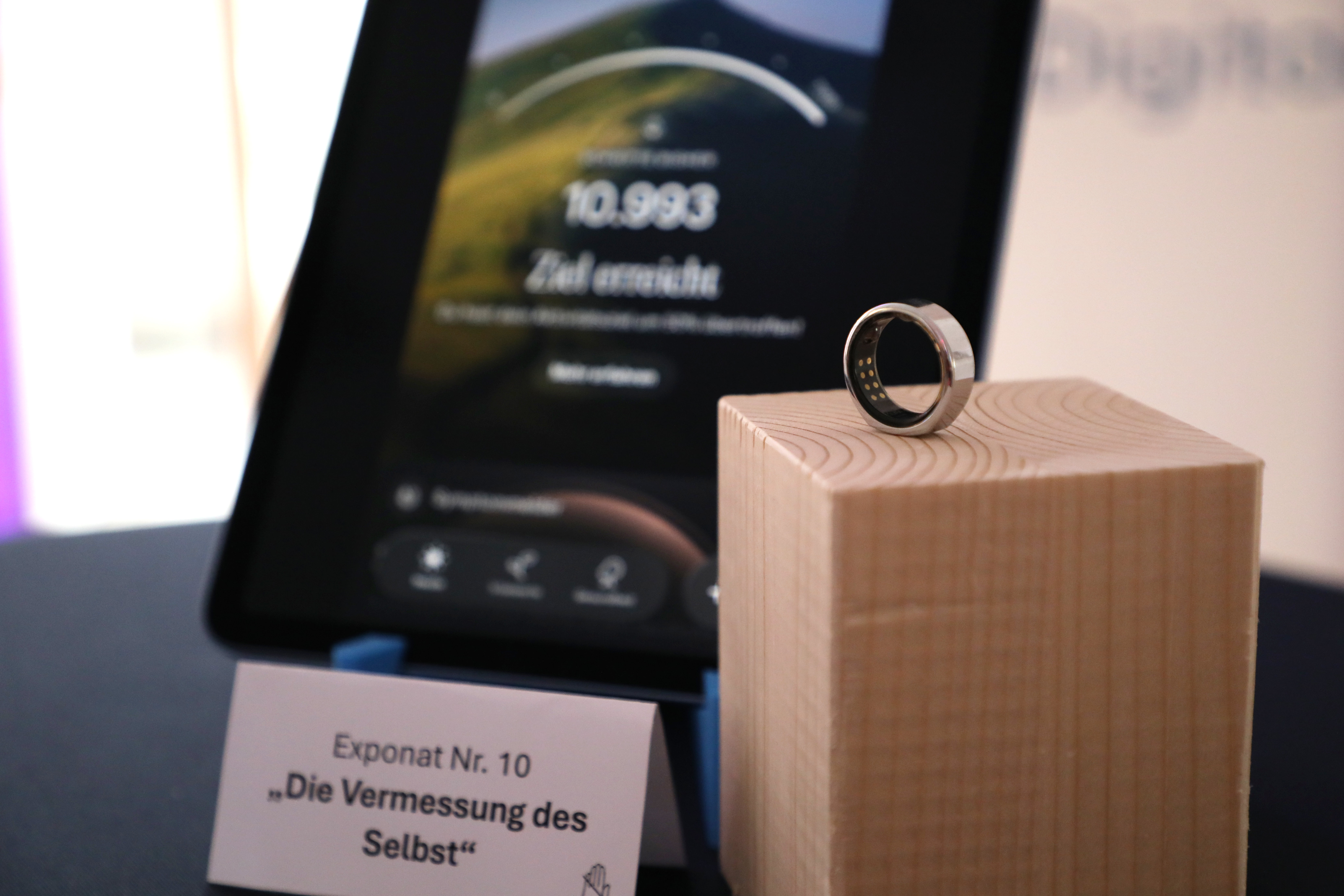
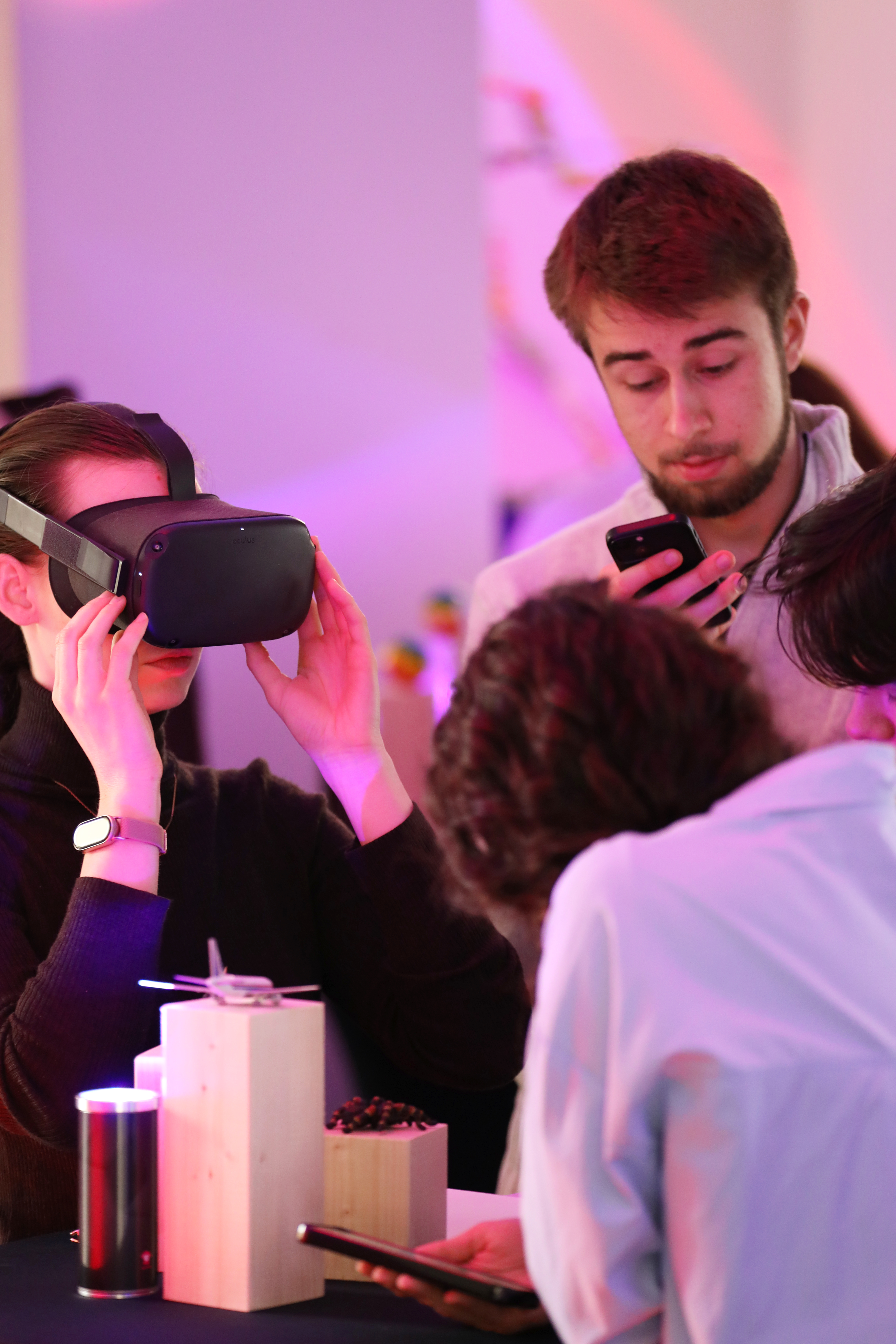
The newly established Medical Exhibition Seminar (MES) introduces an innovative didactic approach inspired by established concepts in medical education. Instead of traditional case-based learning, the MES presents exhibits representing current research projects from the EKFZ for Digital Health. Students are challenged to analyze structured statements, assign them to the correct exhibits, identify misleading information, and justify their decisions based on scientific reasoning. This seminar focuses on developing key competencies like analytical thinking, the transfer of theoretical knowledge into application, precise argumentation, and interdisciplinary perspectives. Exhibits span a wide range of topics, including bioelectronics, medical imaging, AI-based diagnostics, regulatory science, and digital health technologies for home monitoring. By engaging with these tangible representations of research, participants gain a deeper understanding of how scientific concepts translate into real-world medical innovation.
Share this Post
More News
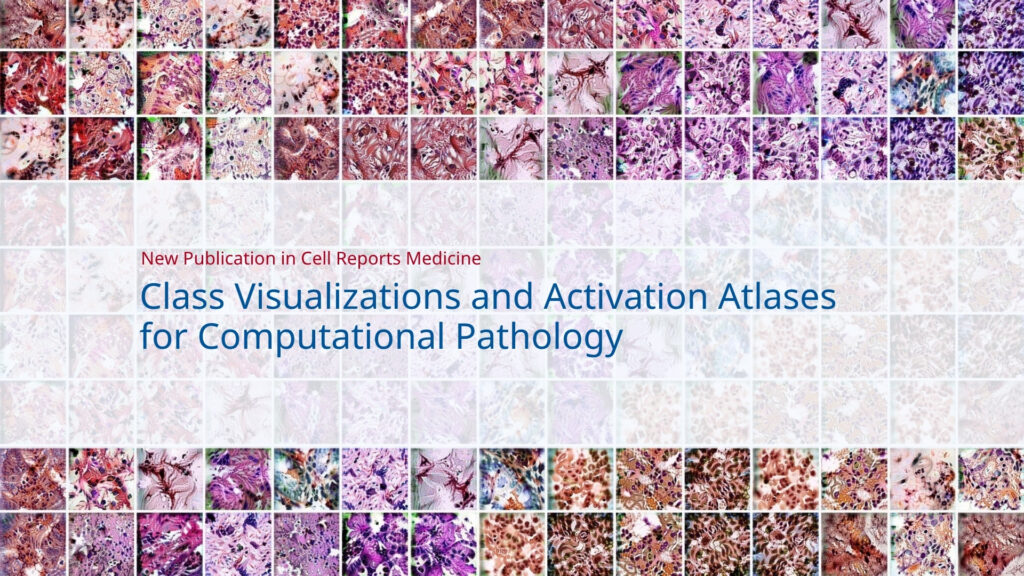
What does AI actually learn from tissue images?
Strong predictive performance does not reveal which morphological features the AI has actually learned or how it organizes different biological and disease concepts. Researchers have investigated new ways to make…
Read more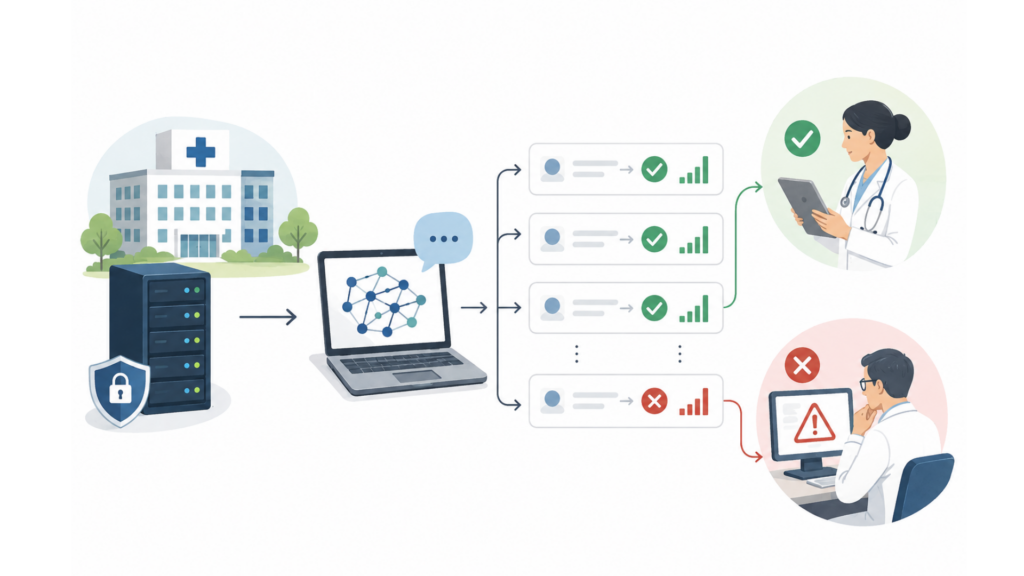
On-premise medical AI agent for reliable clinical decision support
AI agents could reliably support diagnoses and clinical decision-making in the future – provided that sensitive health data are protected and clinicians can assess how reliable individual AI-generated results are.…
Read more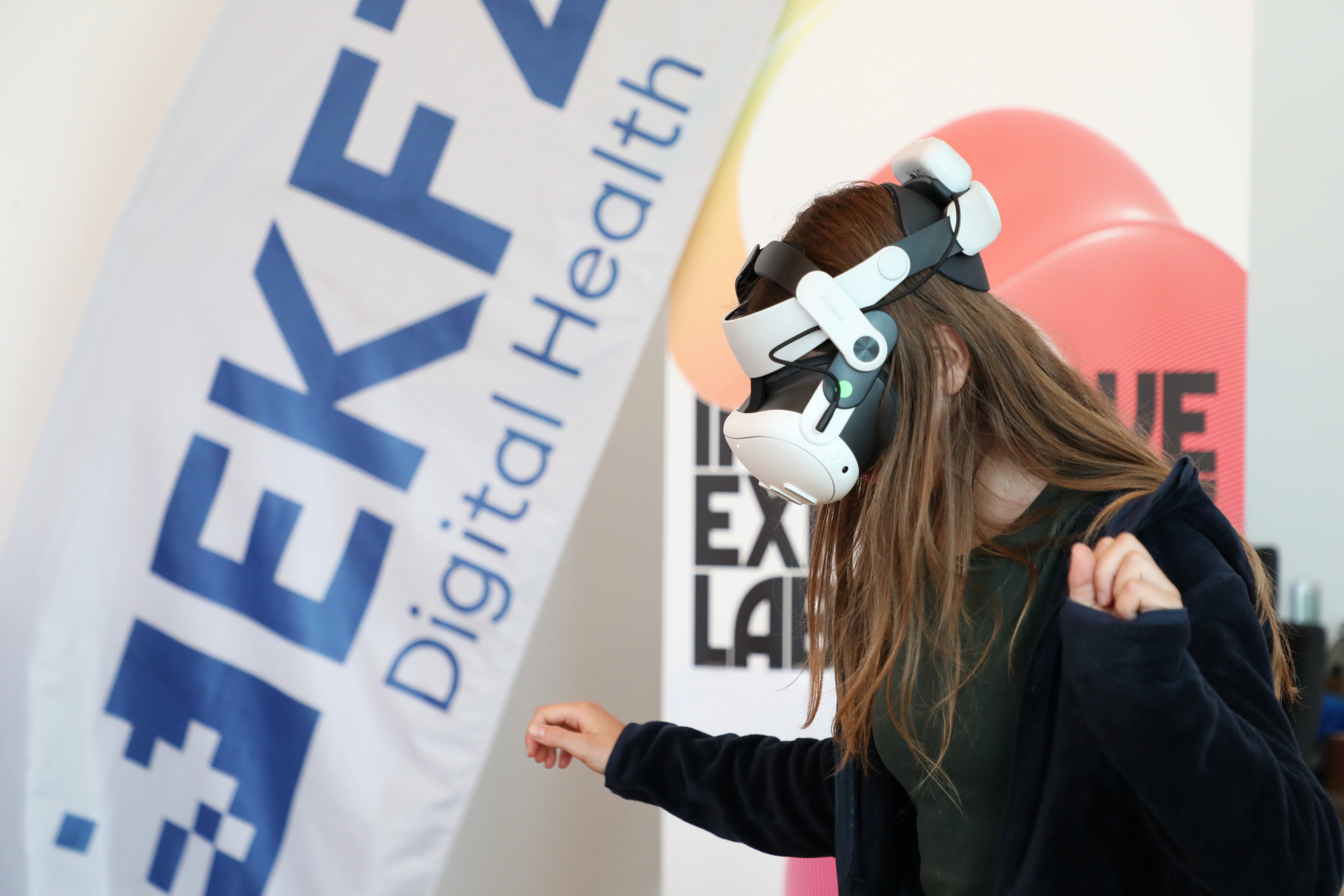
Open Doors at Saxon Ministries
Interactive exhibits gave visitors a hands-on look at current developments in medicine.
Read more