

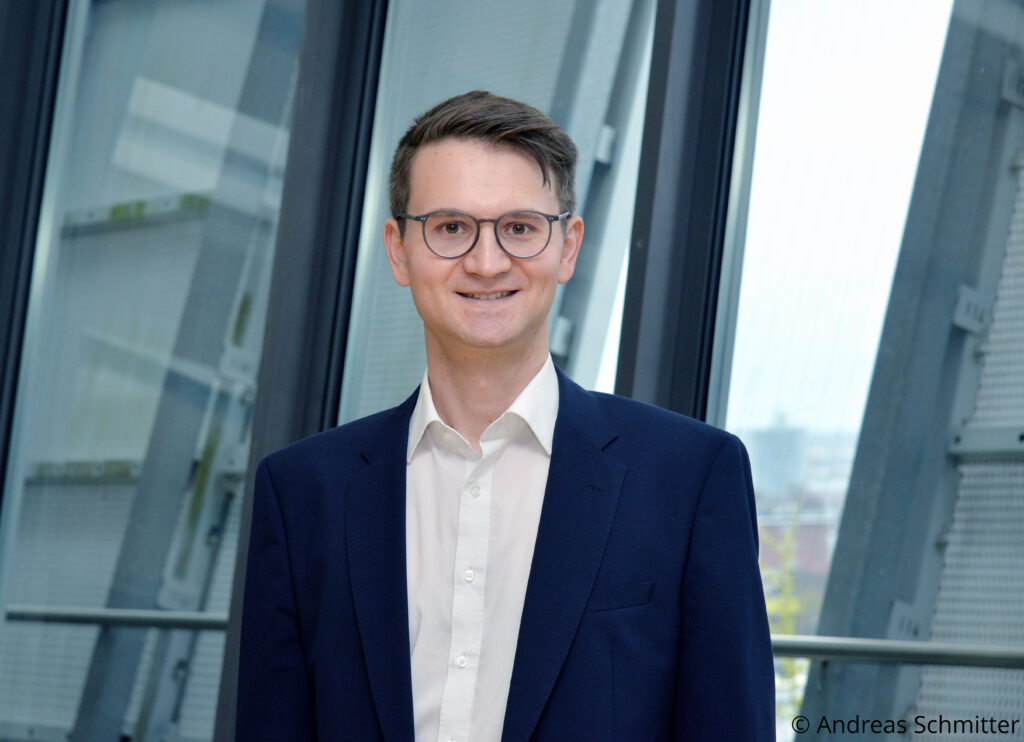
Millions in funding for research on how nerve fibers influence tumors: To catalyze his LIVER-CIRCUITS project, Prof. Kai Markus Schneider has received a Starting Grant from the European Research Council (ERC), amounting to almost EUR 1.5M over five years.

Researchers have systematically analyzed the risks associated with LLM use in medicine. Their review article has now been published in Nature.
Read more
Europe needs stronger regulatory science for medical AI and MedTech
Europe should establish Centres of Excellence in Regulatory Science and Innovation (CERSIs) researchers argue in a Comment published in Nature Biomedical Engineering.
Read more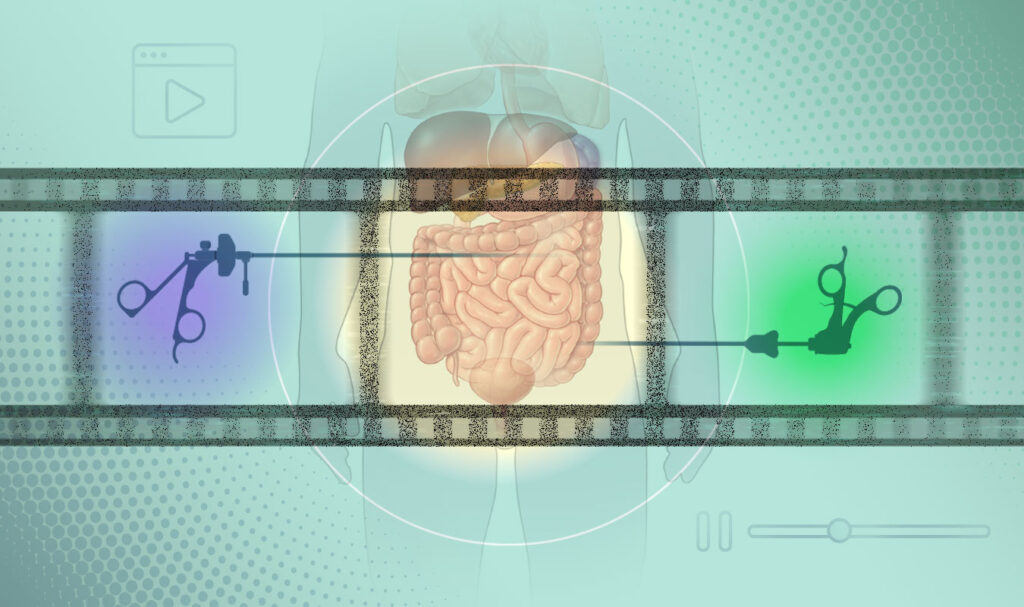
Researchers Advance Privacy-Preserving AI for Patient-Level Analysis of Surgical Videos
The research team has shown that hospitals can collaboratively train AI models for surgical video analysis without exchanging sensitive patient data. Their study has been published in NEJM AI.
Read more
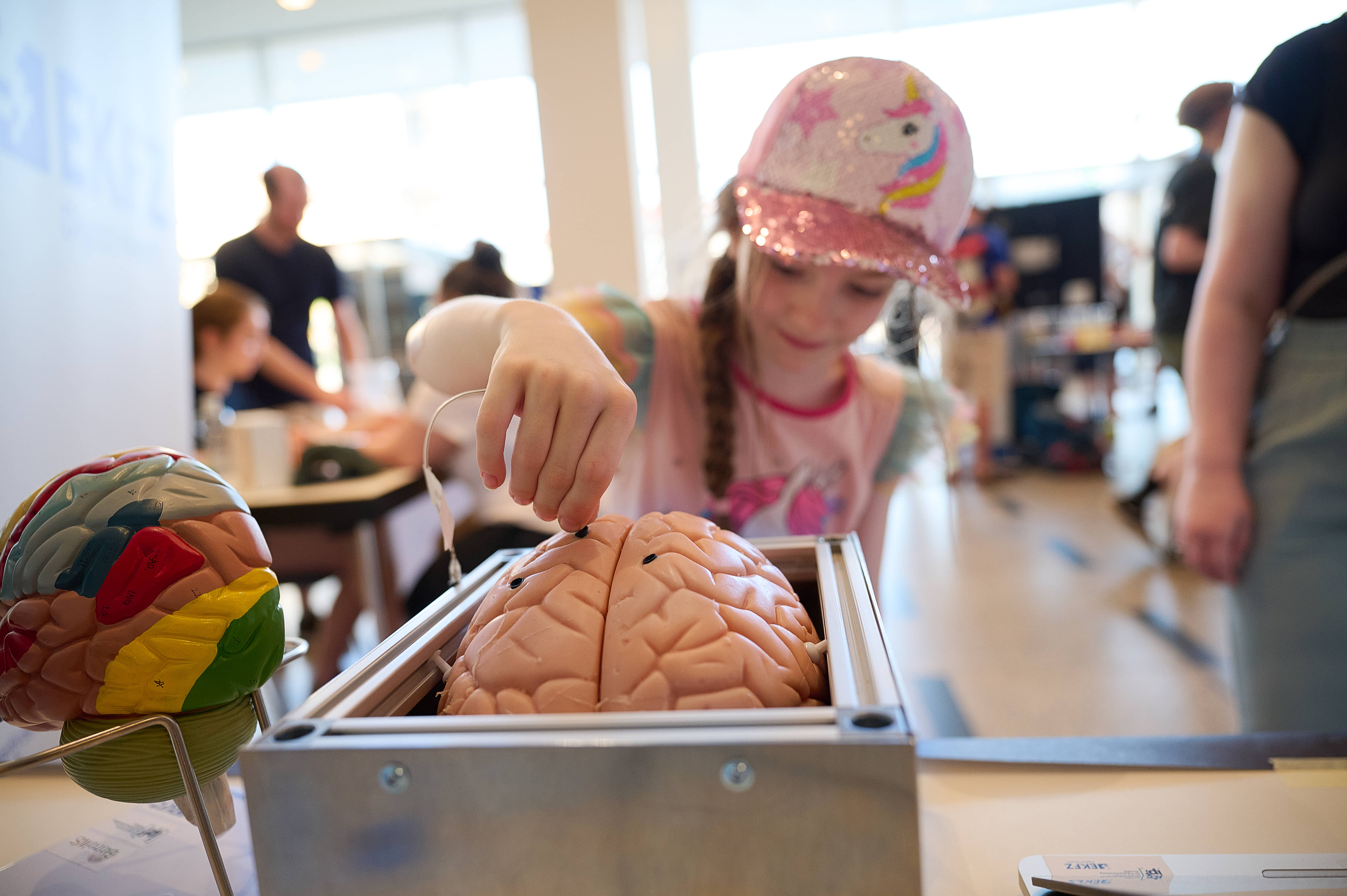
Across the city, thousands of science enthusiasts experienced research and innovation first hand, including at two interactive stations organized by the EKFZ.
Read more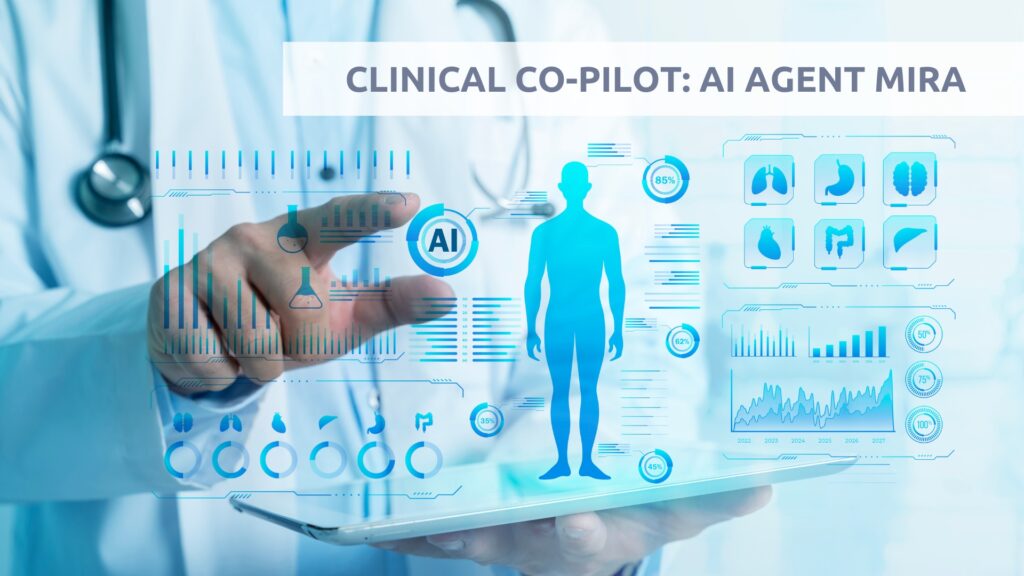
AI agent MIRA supports clinical workflows in electronic health records as a co-pilot
The next stage of medical AI: AI agent MIRA evaluated autonomously medical information, ordered tests, and prepared diagnostic and treatment decisions within electronic health records in a simulated hospital information…
Read more
Simulating stress, sadness, and anxiety in LLMs
A research team from TU Dresden has now shown that LLMs can reproduce patterns of human emotions such as anxiety, sadness, or stress.
Read more
Fiona Kolbinger receives 2026 Jung Career Advancement Award for Medical Research
In recognition of her work on AI-supported cancer surgery, Clinician Scientist Dr. Fiona Kolbinger, MD, PhD, receives the 2026 Jung Career Advancement Award endowed with 210,000 euros.
Read more
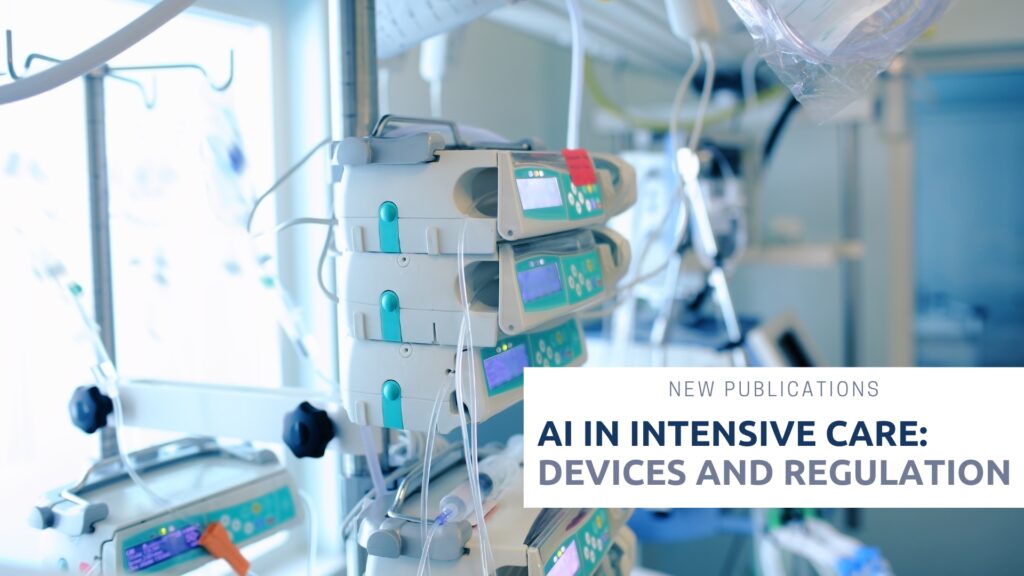
AI-based medical devices in intensive care
Two new publications in npj Digital Medicine provide a systematic overview of AI-enabled medical devices for intensive care units (ICUs) and examine how the field may evolve.
Read more