

On-premise medical AI agent for reliable clinical decision support
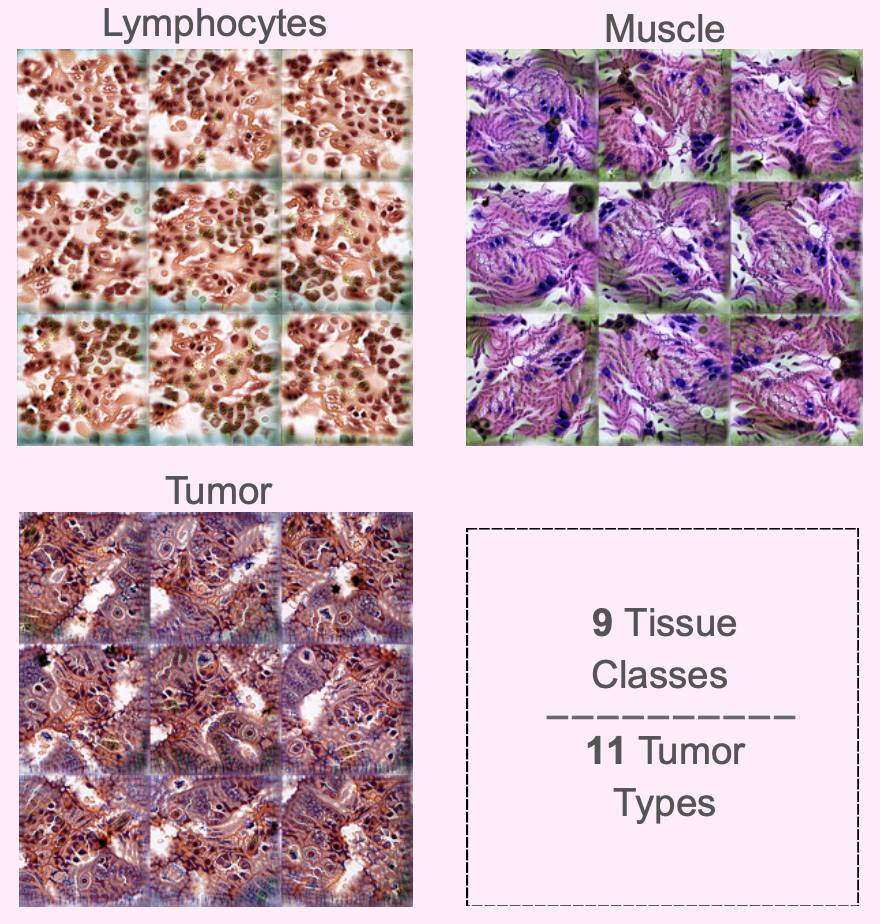
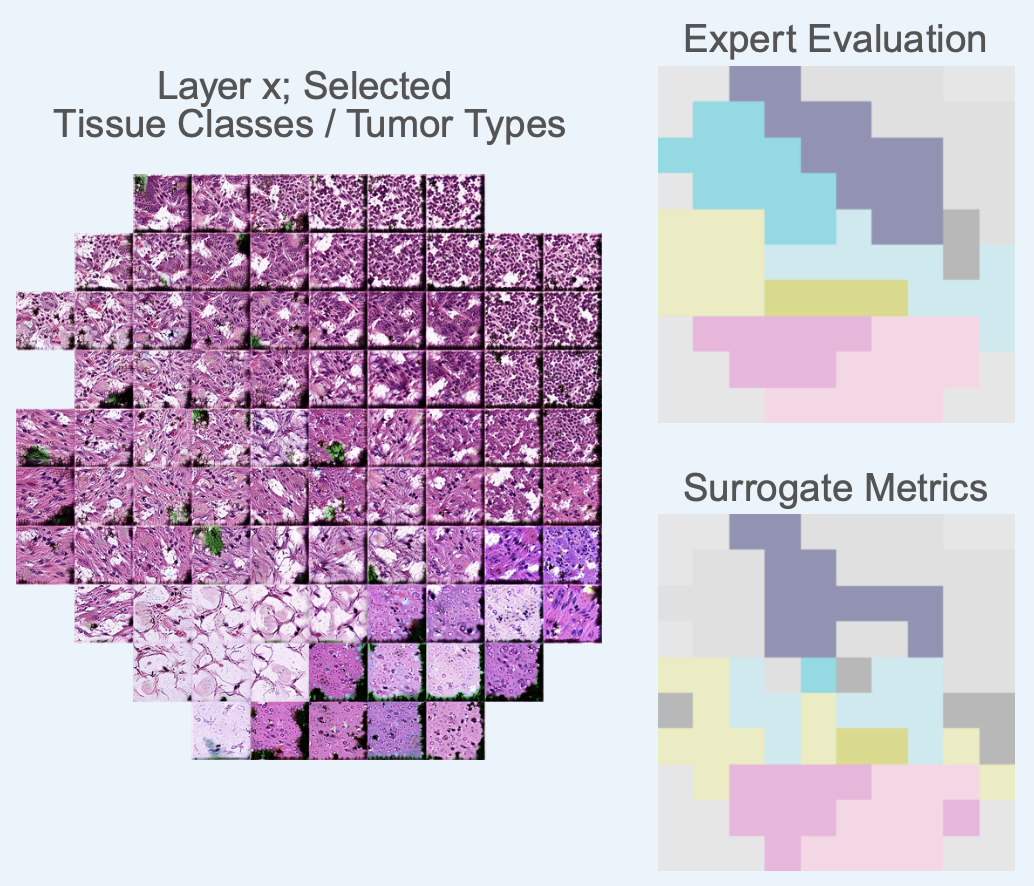
Foundation models are increasingly used as the basis for AI systems in computational pathology. Their learned representations can support a wide range of downstream tasks, from tissue characterization to disease classification and biomarker prediction. But strong predictive performance does not reveal which morphological features the AI has actually learned or how it organizes different biological and disease concepts. Researchers from Kather Lab at the EKFZ for Digital Health at TUD Dresden University of Technology, together with pathologists from Mainz and Augsburg, have investigated new ways to make these learned patterns visible. The researchers found that clearly distinct tissues were represented through morphological patterns that pathologists could also recognize. By contrast, cancer types that look similar under the microscope also showed greater overlap in the AI model’s representations. The visualization framework could therefore help researchers examine what pathology AI has learned – and where distinctions between disease concepts become less clear. The study was published in Cell Reports Medicine.